Building Pathways from School Sport to Sustainable Excellence in Uganda
Rev. Canon Dr. Mugumya Duncan outlined Uganda’s programmes for developing young athletes and strengthening the school-sport system
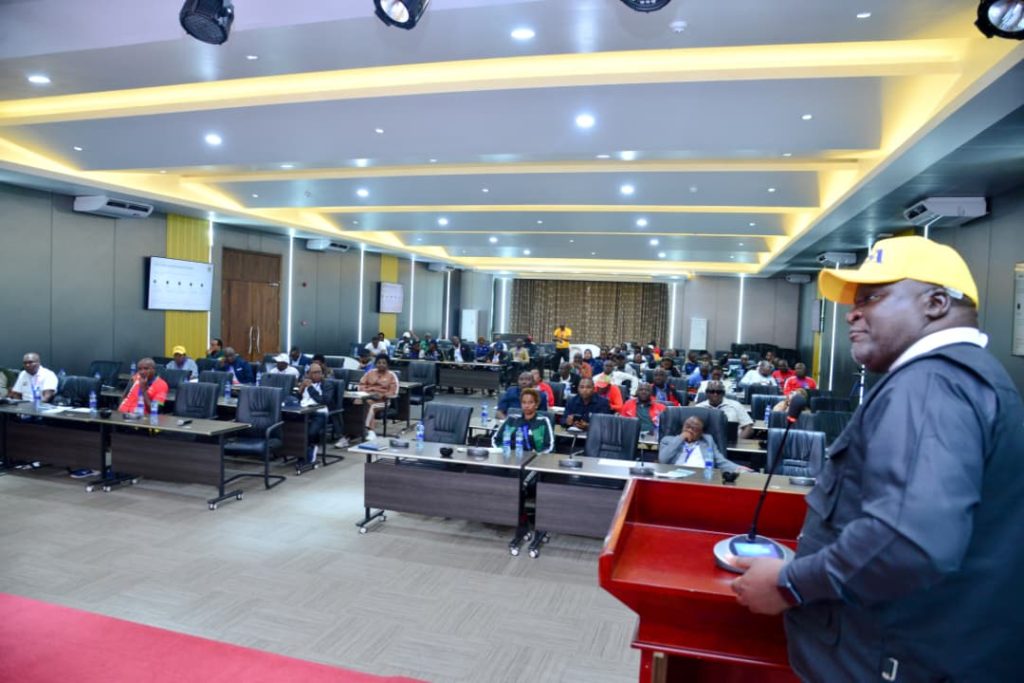
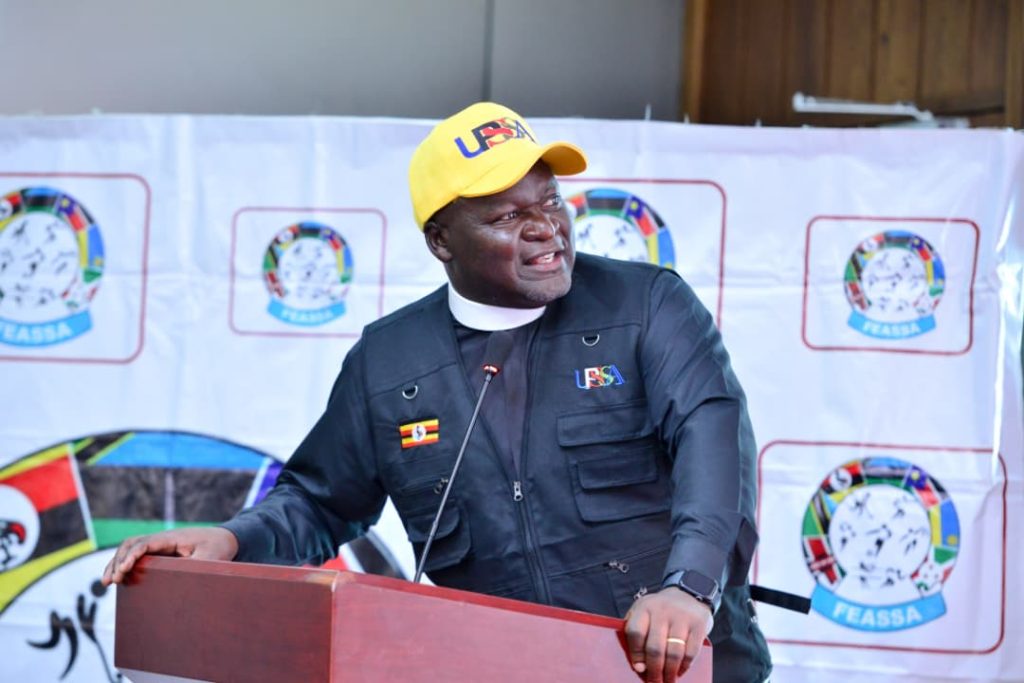
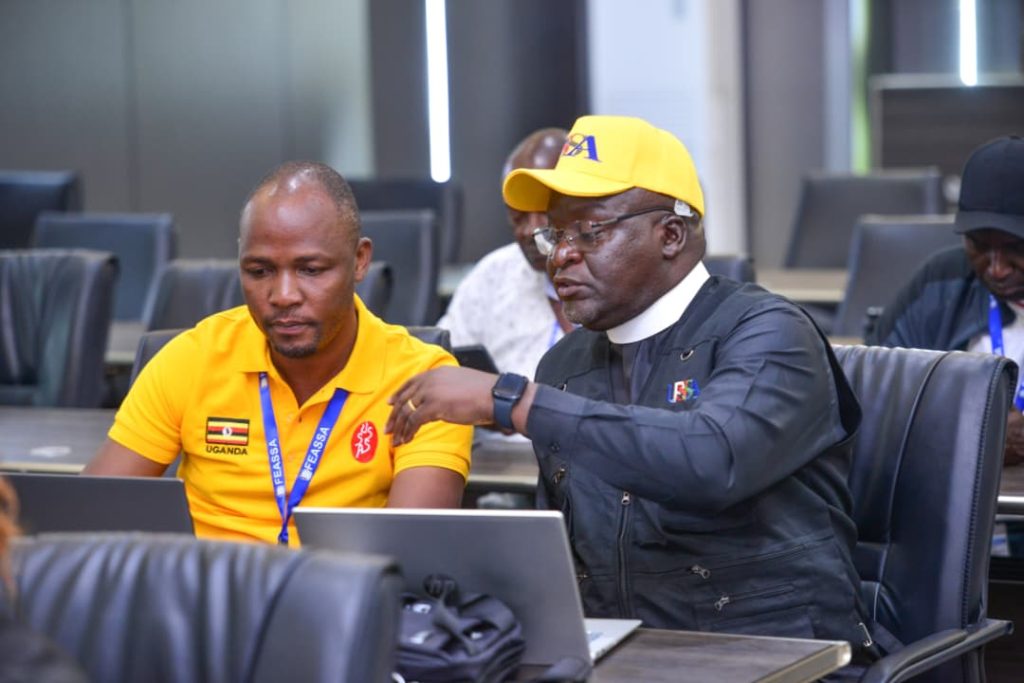
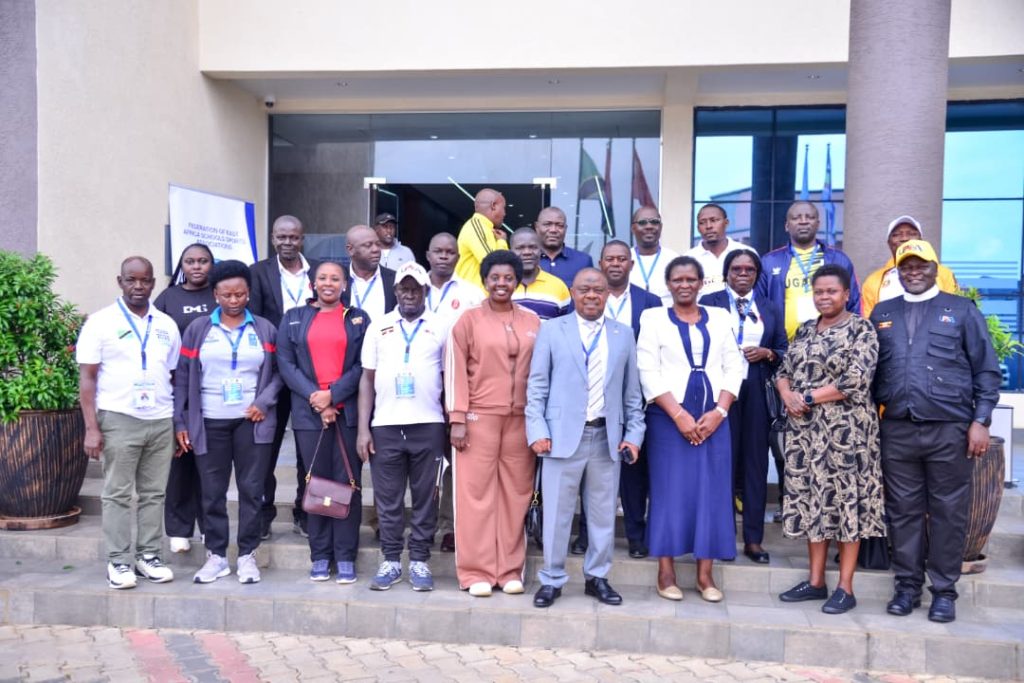
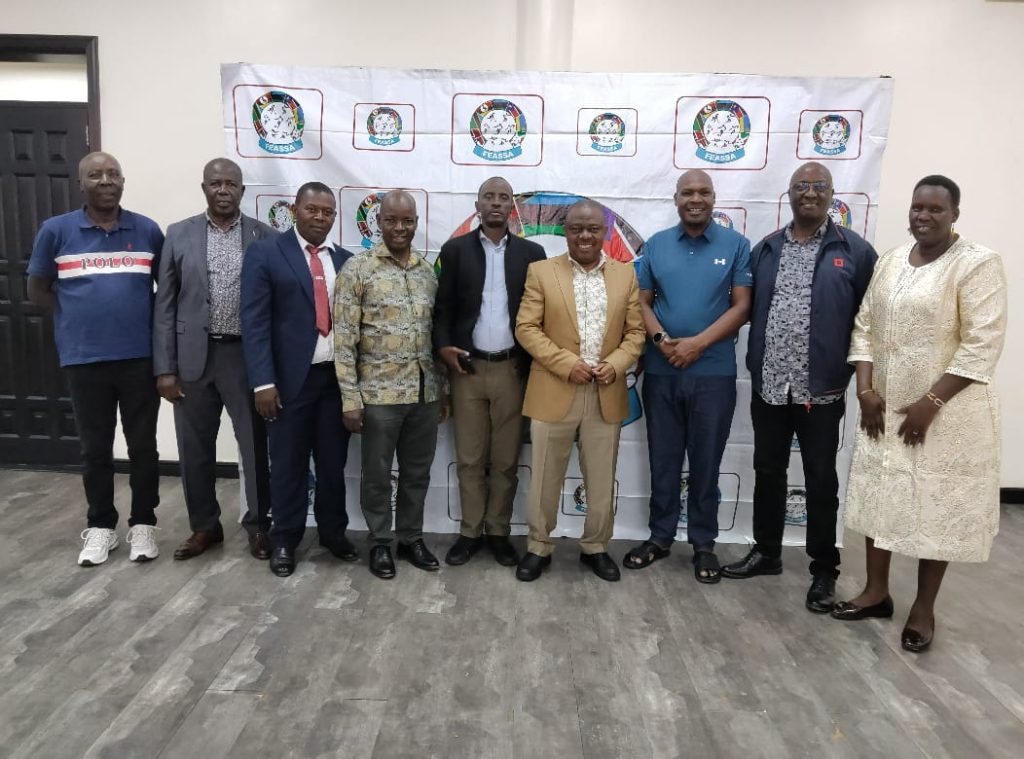
Rev. Canon Dr. Mugumya Duncan, Commissioner for Physical Education and Sports, presented Uganda’s approach to developing school sport as a coordinated pathway for identifying talent, supporting young athletes, and preparing them for high-performance competition and life beyond sport.
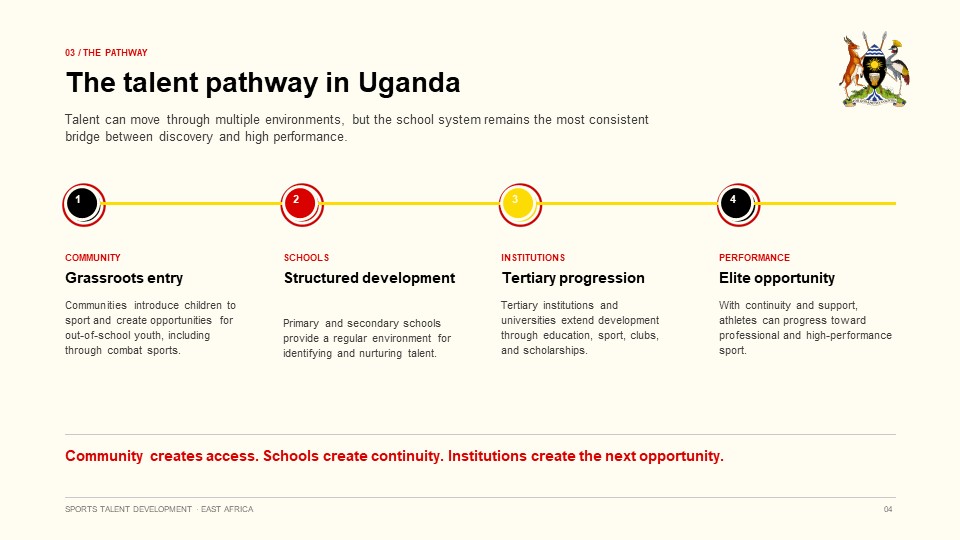
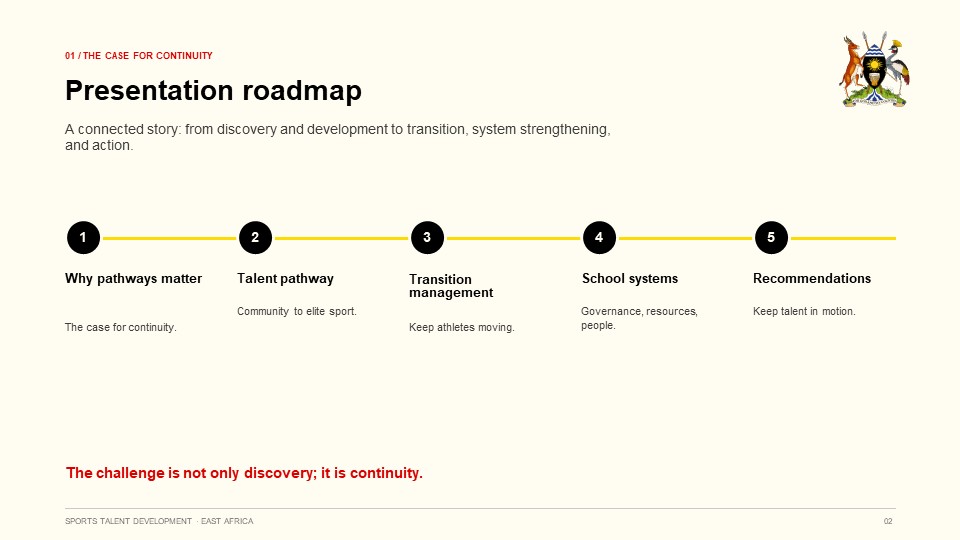
In his presentation, Dr. Mugumya described school sport as the bedrock of Uganda’s talent-development system. While opportunities begin in communities and grassroots programmes, schools and other educational institutions provide the most consistent environment for identifying, nurturing, and progressing young athletes. The approach brings together communities, sports clubs, schools, universities, national federations, private partners, and international scouts.
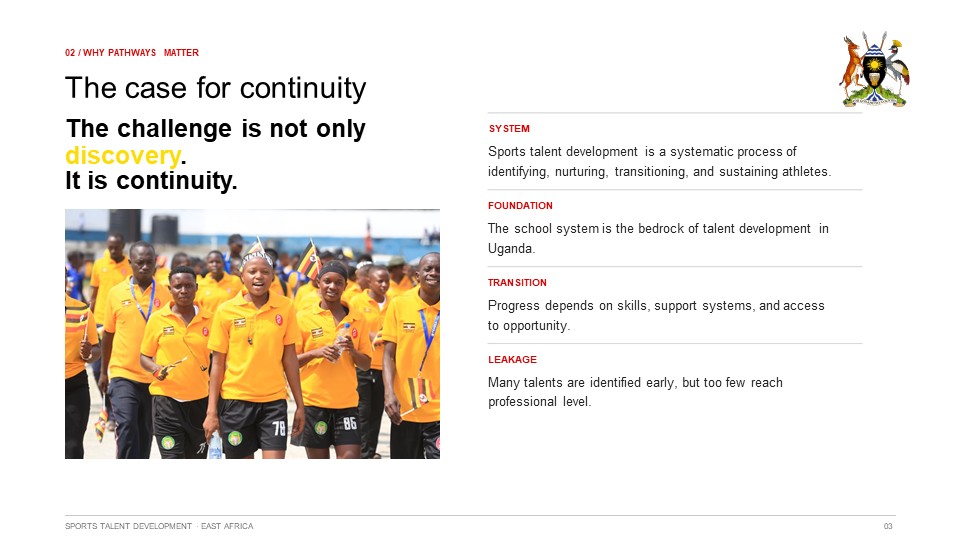
“Sports talent development is a systematic approach of harnessing sports talents in Uganda through a transition system.”
The central concern is not a lack of talent. Uganda identifies many talented children and young people at the lower levels of participation. The challenge is ensuring that these athletes do not fall out of the pathway before reaching advanced competition or professional sport. In Dr. Mugumya’s account, the country’s programmes are therefore focused not only on discovery, but also on the transitions that connect one stage of development to the next.
Communities and schools form the foundation
Uganda’s talent-development pathway begins with community participation. Community sports initiatives introduce children to sport and create opportunities for young people who may not be enrolled in school or who participate in disciplines not always available within the formal education system. Combat sports, for example, can provide an entry point for children outside the school-sport structure.
Community sports clubs add another layer of organisation. Through activities such as athletics and football, clubs provide more structured programmes for coaching, participation, and talent development. They can also serve as bridges between informal community sport and more formal school, institutional, or elite-level opportunities.
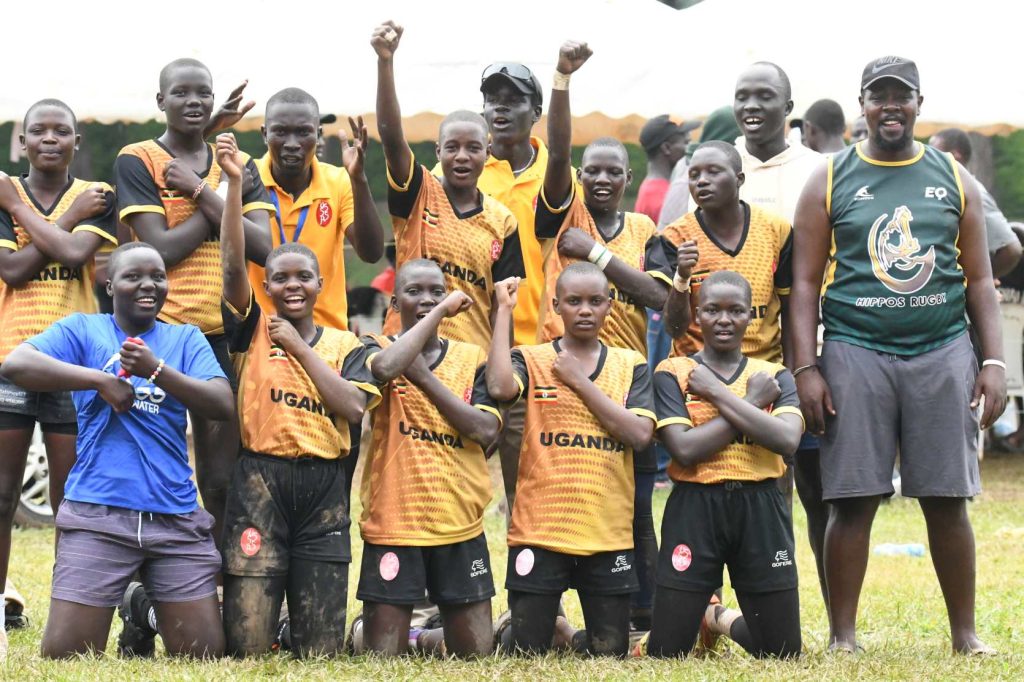
Schools remain the most important platform in the system. Primary and secondary schools, tertiary institutions, and universities provide regular opportunities for competition and development. According to Dr. Mugumya, most talents are identified and nurtured through the school and institutional system because these institutions combine access to learners, organised competition, and educational continuity.
Uganda’s approach also includes sports schools, centres of excellence, and sports academies. Government-established centres of sports excellence have opened avenues for talent development, while private schools have invested in facilities and programmes designed to nurture young athletes. Sports-based academies offer opportunities for early development, although many are privately owned. Together, these institutions broaden the range of places where young athletes can receive specialised support.
Creating routes to high performance
The pathway from school sport to elite performance includes several routes. One is the school-to-university pathway, through which talented athletes can continue their development while pursuing higher education. University sports clubs can recruit promising players and offer sports scholarships, allowing athletes to combine academic study with training and high-level competition.
National sports federations also play an important role. They scout talent from schools, universities, and communities, and provide additional training across different age categories. This federation-led pathway creates opportunities for athletes to move from school competition into more advanced national programmes and elite-performance environments.
International scouts and institutions provide another route. Through recruitment and scholarship opportunities, talented Ugandan athletes may continue their sporting careers abroad. These opportunities can expand access to specialised training, competition, and education, while also demonstrating the importance of maintaining reliable records of athlete development and identity.
The various routes are most effective when they operate as parts of one connected system. A child discovered in a community programme should be able to enter a school or club pathway. A school athlete should be able to transfer to a university or federation programme without losing access to education or support. The aim is to prevent the fragmentation that can cause talented athletes to disappear between stages.
Digital registration and managed transitions
A key element of Uganda’s approach is the use of digital registration and tracking. Once a player is identified by a school, the athlete can be entered into a database under that school’s portfolio. Transfers to subsequent schools or tertiary institutions can then be tracked as the athlete progresses.
The system is intended to prevent double registration and to make transfers more transparent. Sanctioning transfers helps ensure that an athlete is not registered by two schools at the same time. Learner identification numbers and verification systems used by sports associations also strengthen the confirmation of age and identity.
These measures are important for both athlete protection and competition integrity. Accurate records can help schools, clubs, federations, and universities understand an athlete’s progression, while also supporting age-appropriate competition and reducing disputes over registration.
Preparing athletes for life after competition
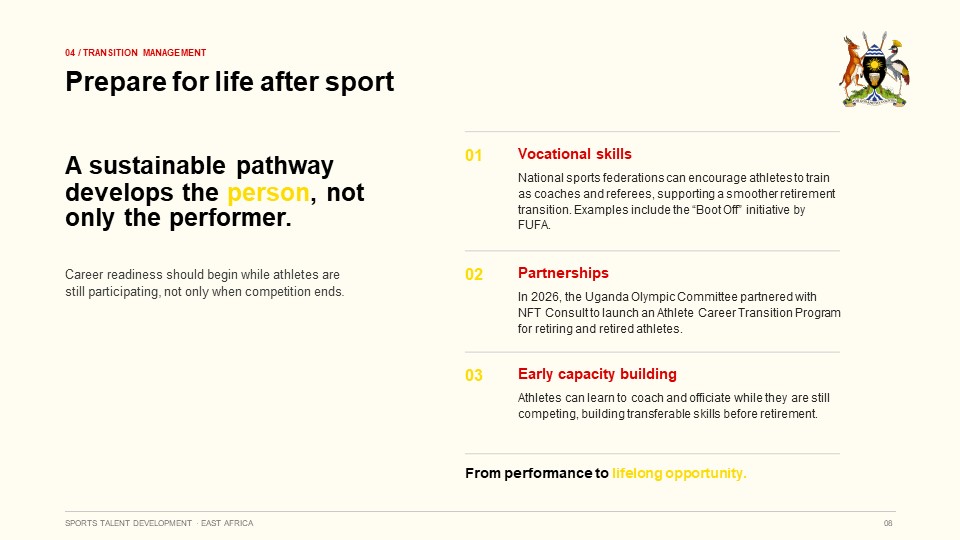
Dr. Mugumya emphasised that athlete development should not end when an athlete’s competitive career comes to a close. Uganda’s transition-management approach includes vocational preparation and the development of skills that can support athletes after retirement.
National sports federations encourage athletes to train as coaches and referees, creating opportunities to remain active in sport while developing a second career. The presentation cited initiatives such as FUFA’s “Boot Off” programme as an example of efforts to support athletes through career change.
The approach also recognises the value of partnerships. The presentation referred to the Uganda Olympic Committee’s partnership with NFT Consult to launch an Athlete Career Transition Program intended to help retired and retiring athletes develop skills for corporate employment. Such programmes broaden the meaning of athlete development by recognising that athletes can contribute to society as coaches, officials, administrators, media professionals, and corporate employees.
Early preparation is central to this approach. Athletes can begin learning to coach and officiate while they are still competing. This makes career transition a gradual process rather than a sudden response to retirement.
Strengthening governance and accountability
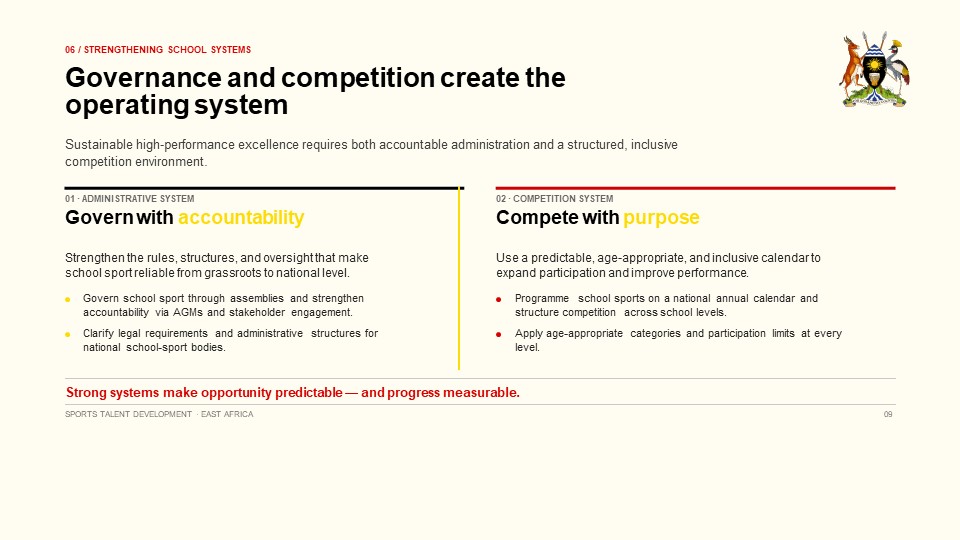
Sustainable school sport requires more than competitions and facilities. It also depends on clear governance and accountable institutions. Uganda’s approach includes competitive elective assemblies, annual general meetings, and engagement with stakeholders as mechanisms for strengthening accountability.
The presentation also called for stronger legal requirements and administrative structures for national educational-institutions sports associations. These structures should extend from grassroots programmes to the national level. A designated secretariat with dedicated staff can provide continuity, coordinate activities, and support the daily work of school-sports associations.
Integrity is another part of the governance agenda. The proposed use of school anti-doping clubs is intended to strengthen awareness and prevention at an early stage. Oversight is shared among the Ministry of Education and Sports, the National Council of Sports, the Association of Secondary School Head Teachers of Uganda, the Uganda Olympic Committee, and other stakeholders.
A national competition system for wider participation
Uganda is also working to organise school sport through a national annual calendar. Programming activities in advance can reduce uncoordinated movements and allow schools, families, officials, and institutions to plan more effectively.
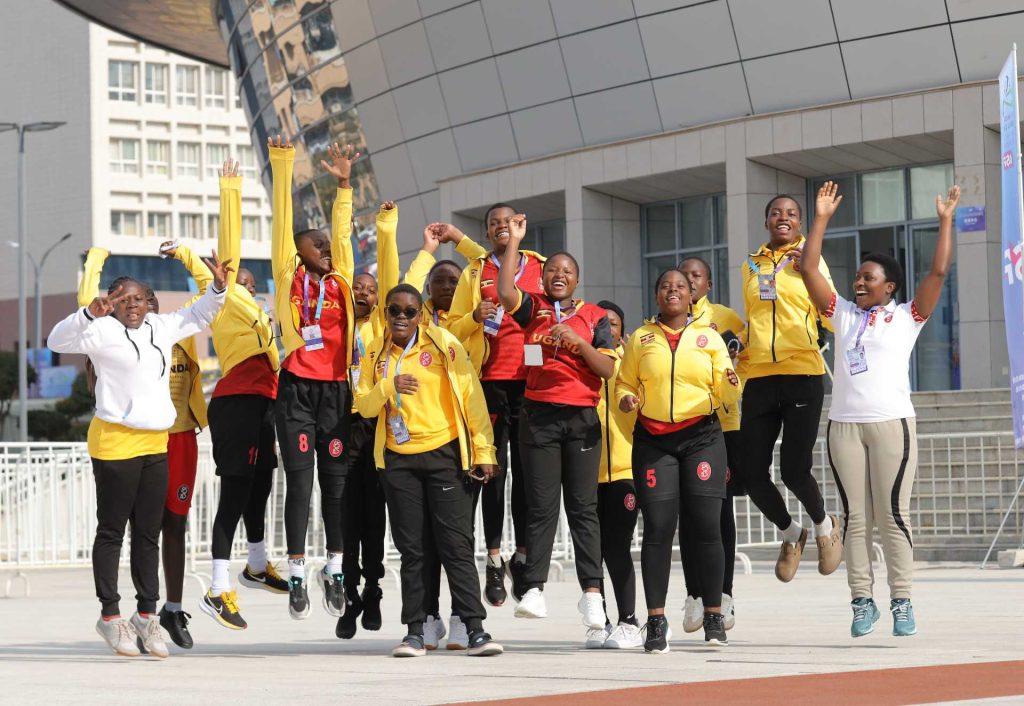
The competition structure extends from primary school to university. Age categories and participation limits are used to promote age-appropriate competition and protect the development of young athletes. The system also aims to expand inclusion, including stronger participation by girls and opportunities for learners with special educational needs.
Dr. Mugumya’s presentation highlighted the importance of mass participation and a diversity of sports disciplines. A wider range of activities gives learners more opportunities to find sports suited to their interests and abilities. Capacity building for officials, referees, and other competition personnel is equally important because the quality of competition depends on the people who organise and deliver it.
Funding, technology, visibility, and facilities
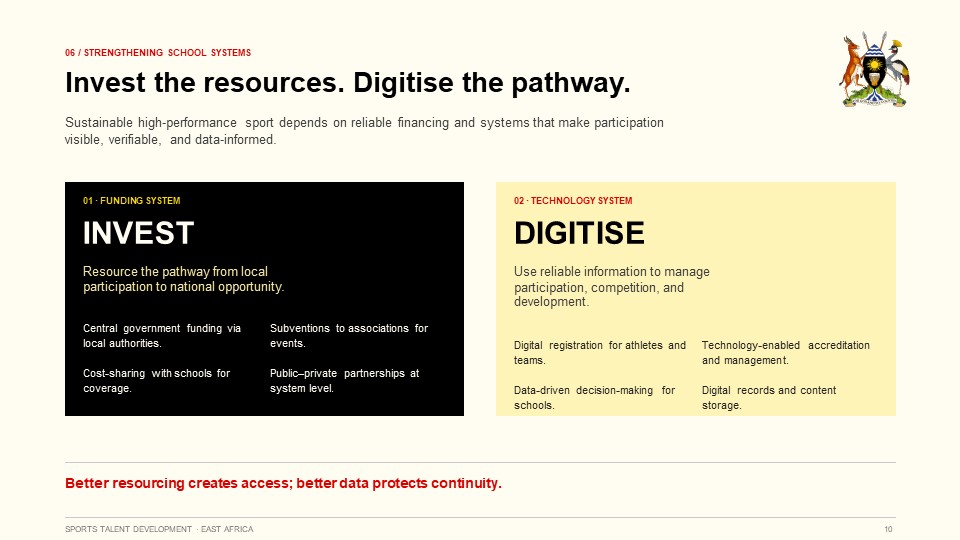
The school-sport system is supported by several enabling pillars. Government funding to local governments helps promote school sport, while subventions to sports associations support national, regional, and international events. Cost-sharing with schools and public-private partnerships are also encouraged to improve financial sustainability.
Technology is being used in registration, accreditation, and competition management. It also supports data-driven decision-making and the creation and storage of digital content for future use. These tools can help institutions move from fragmented records to a stronger shared understanding of participation and athlete progression.
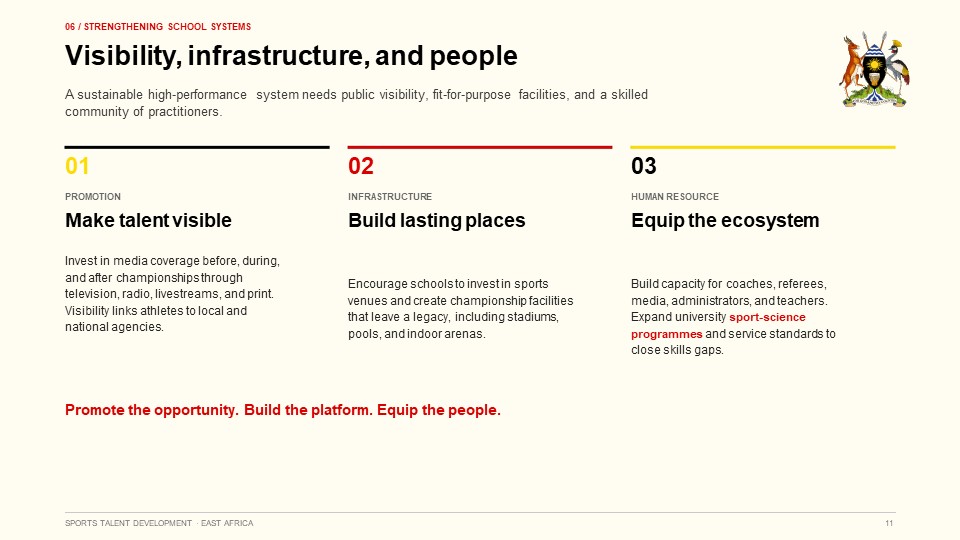
Promotion is another important element. Media coverage before, during, and after championships can increase public interest and expose athletes to local, national, and international agencies. Television, radio, online platforms, livestreaming, and print media all have a role in making school sport and young athletes more visible.
Infrastructure completes the enabling environment. Schools are encouraged to invest in sports facilities, while government investment in stadiums, swimming pools, indoor arenas, and other educational-institution facilities creates opportunities for training and competition. Hosting major championships can also leave a facility legacy for future school-sport programmes.
Building a capable human-resource system
The final foundation is human capacity. Uganda’s approach includes training for coaches, referees, umpires, media personnel, teachers, students, and sports administrators. These roles are interconnected: athletes need quality coaching, competitions require competent officials, programmes need effective administration, and success stories need responsible media coverage.
The presentation also called for leadership by individuals with vision and proven administrative performance. Universities can contribute by offering sports science and related courses tailored to gaps in the physical-education and sports ecosystem. Service-delivery standards can then establish minimum expectations for the quality of physical education and sports services.
The challenge of competing national priorities
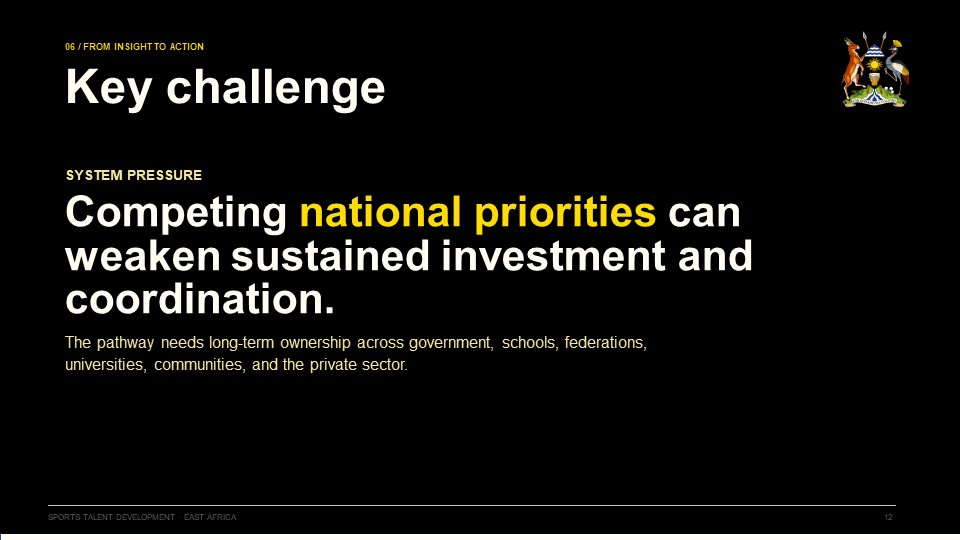
Despite these programmes, school sport competes with other national priorities. The challenge is therefore to sustain attention, funding, coordination, and institutional commitment over time.
Dr. Mugumya’s presentation suggests that school sport should be understood not only as a route to medals or professional careers, but also as part of education, health, inclusion, citizenship, and youth development. A strong school-sport system can widen participation while creating a reliable foundation for high performance.
The country’s approach is ultimately built around connection: connecting communities to schools, schools to universities, universities to federations, athletes to opportunities, and competitive careers to life after sport. With coordinated governance, trusted data, inclusive competition, sustained funding, capable personnel, and appropriate facilities, Uganda aims to turn more of its young people’s sporting potential into sustainable excellence.