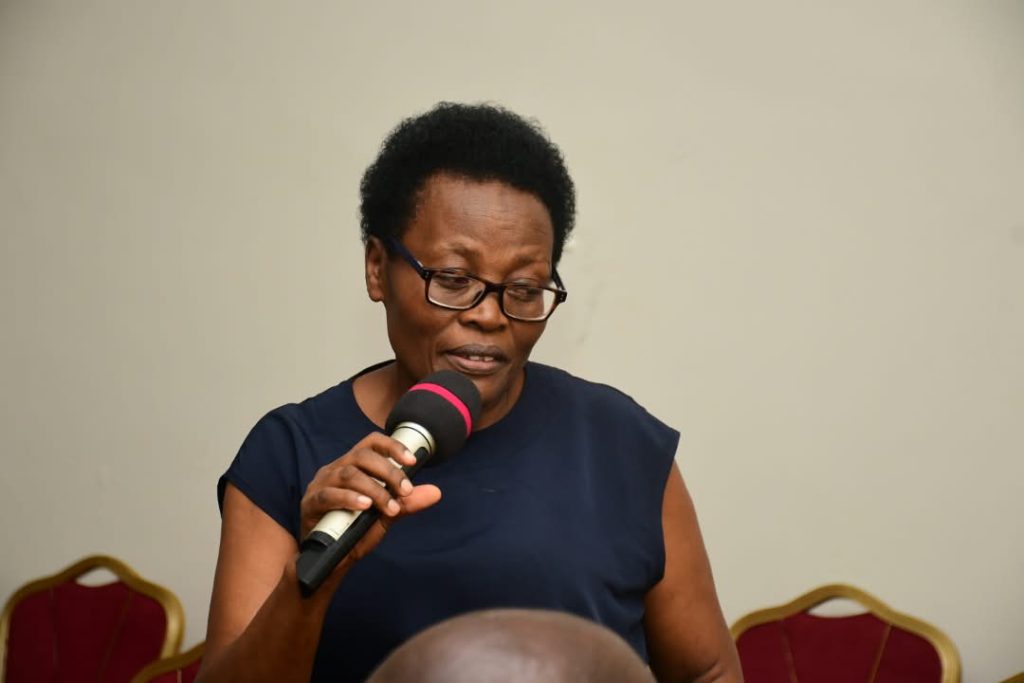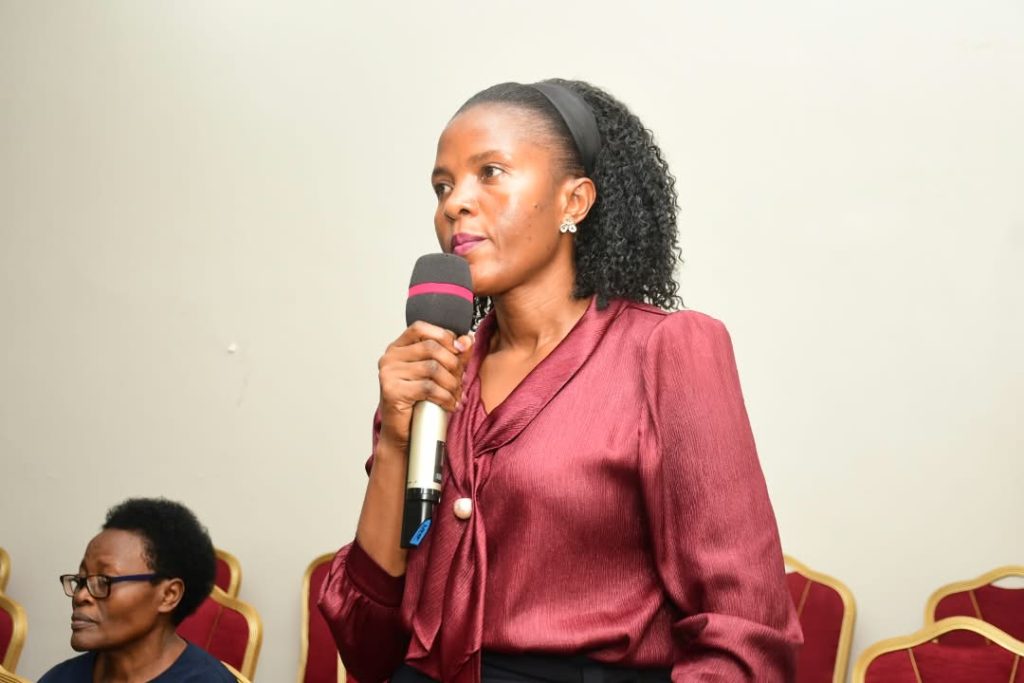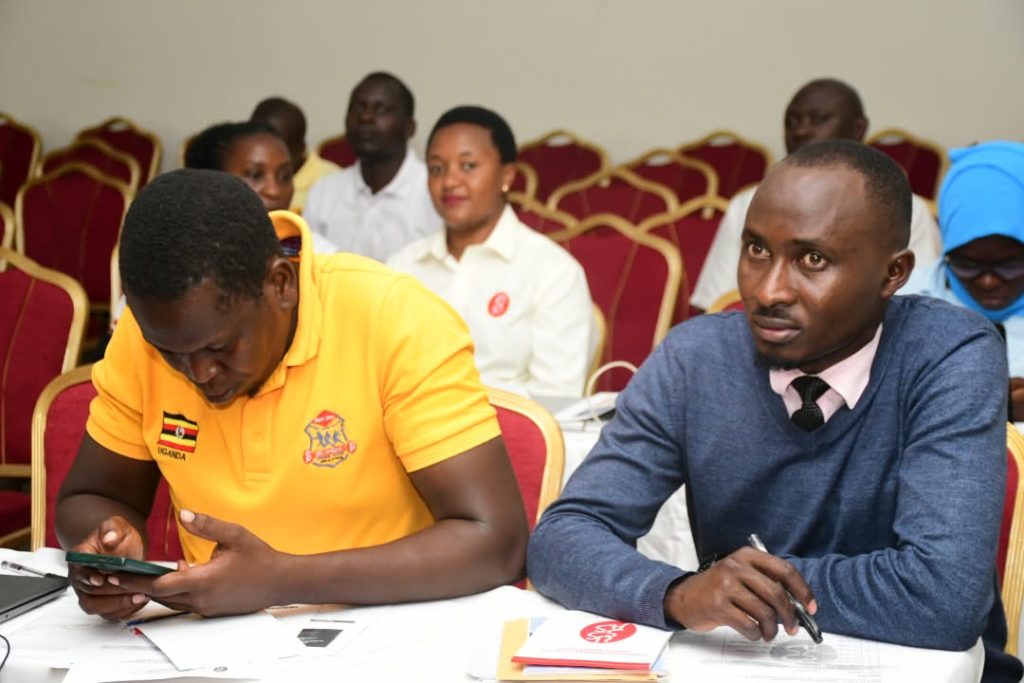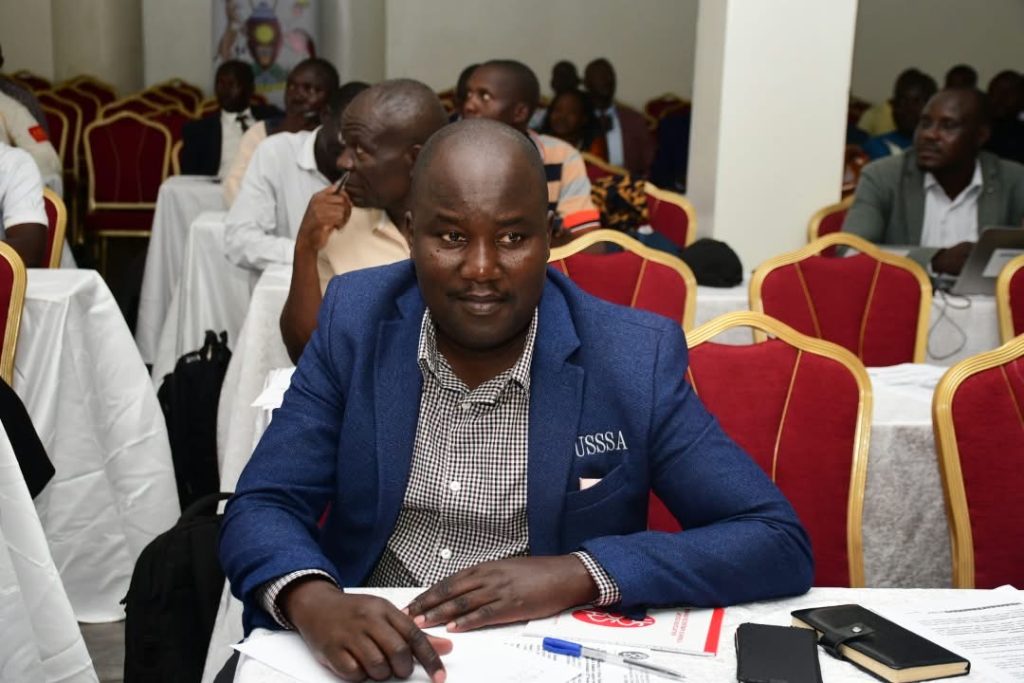
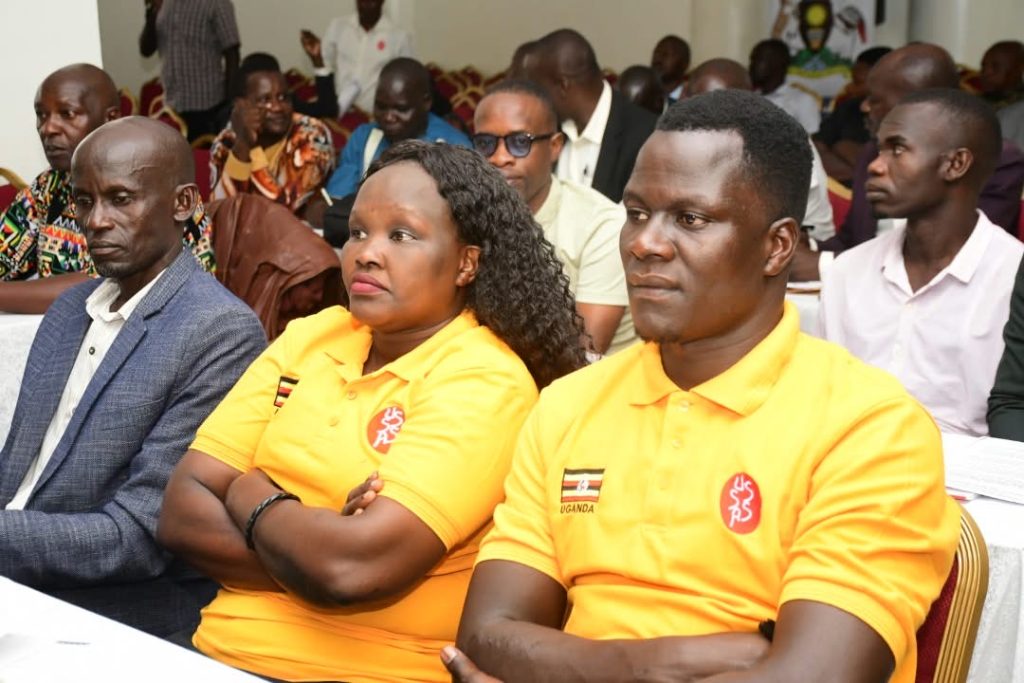
Stakeholders from traditional schools have called for stronger collaboration and participation in school sports as the Uganda Secondary Schools Sports Association (USSSA) moves to introduce structured School and Weekend Leagues aimed at transforming sports development in Uganda.
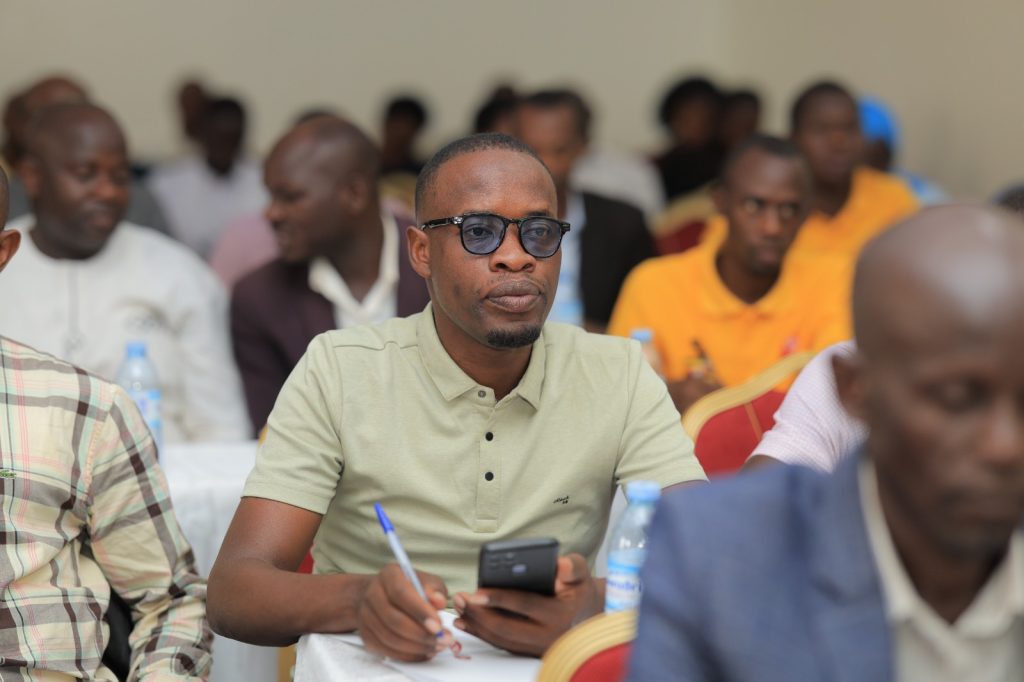
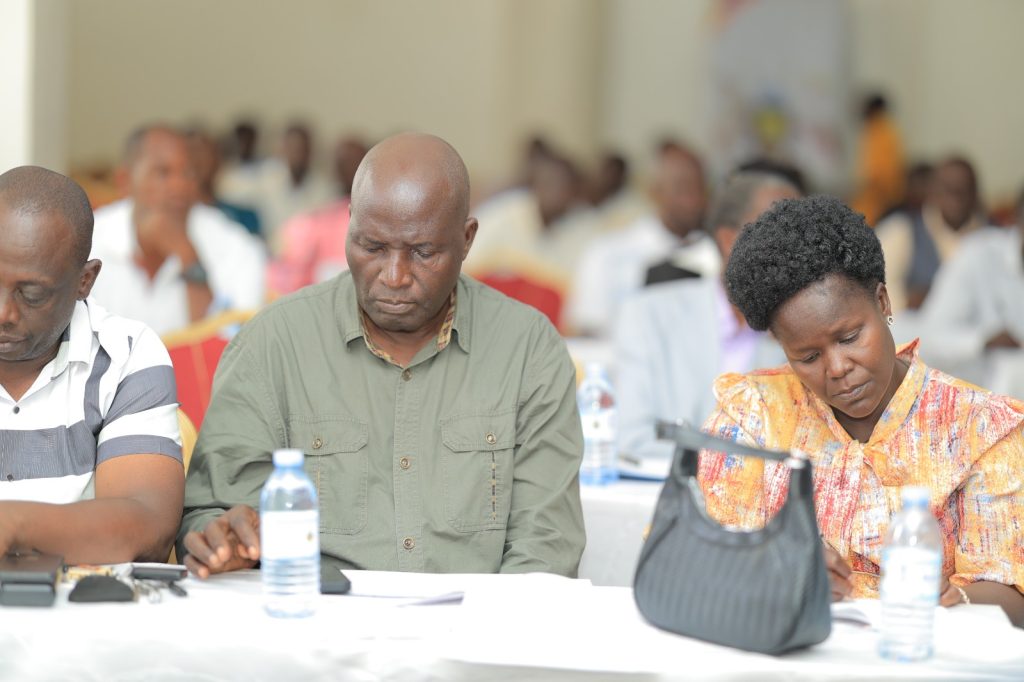
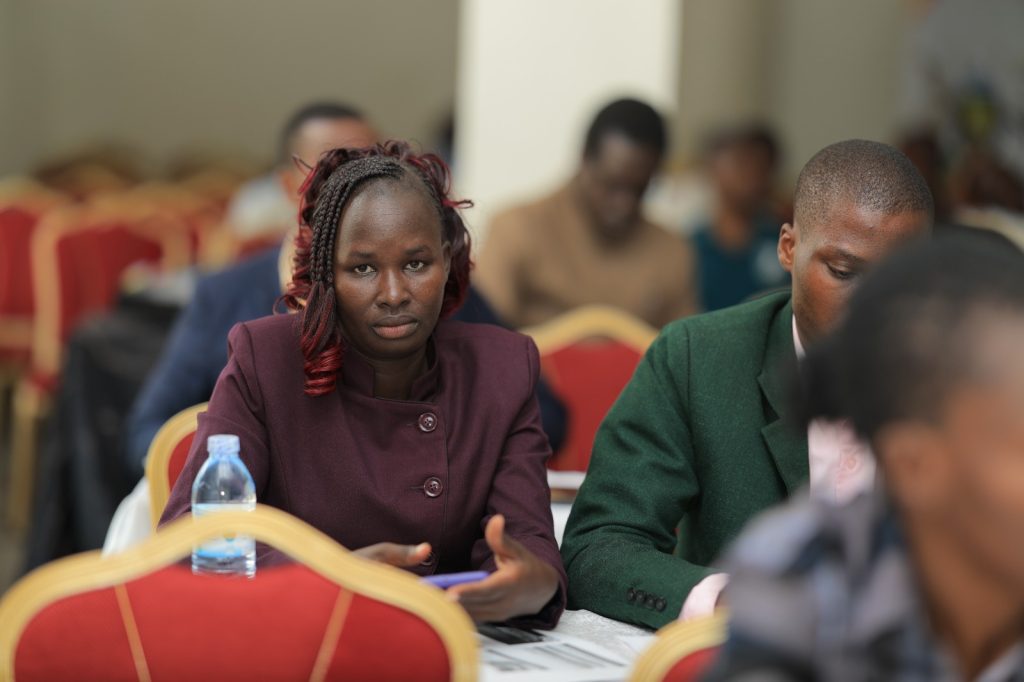
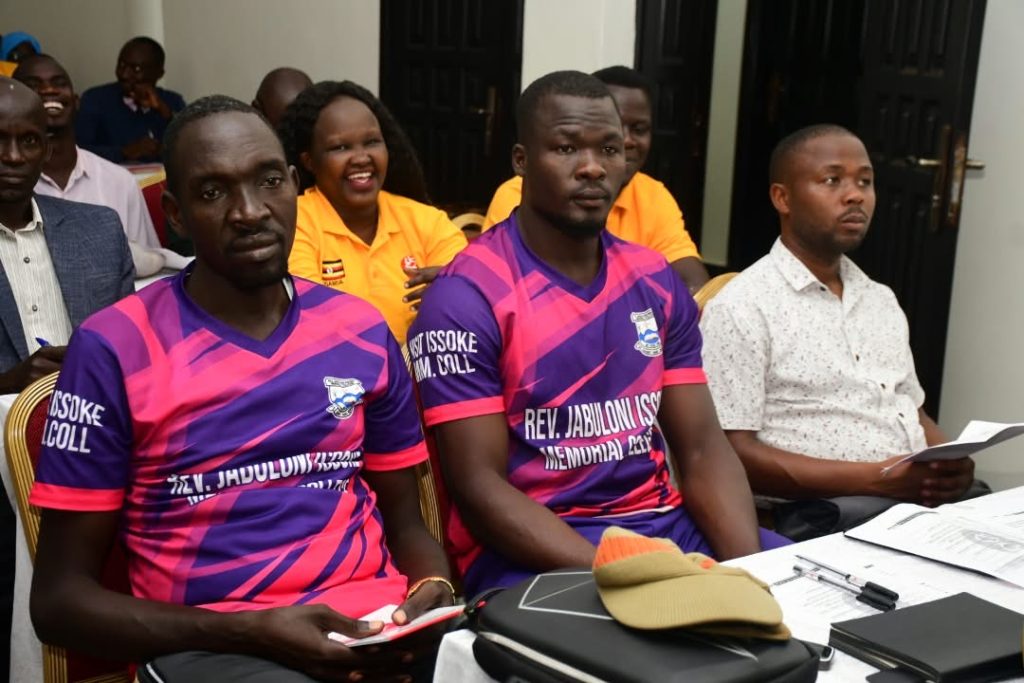
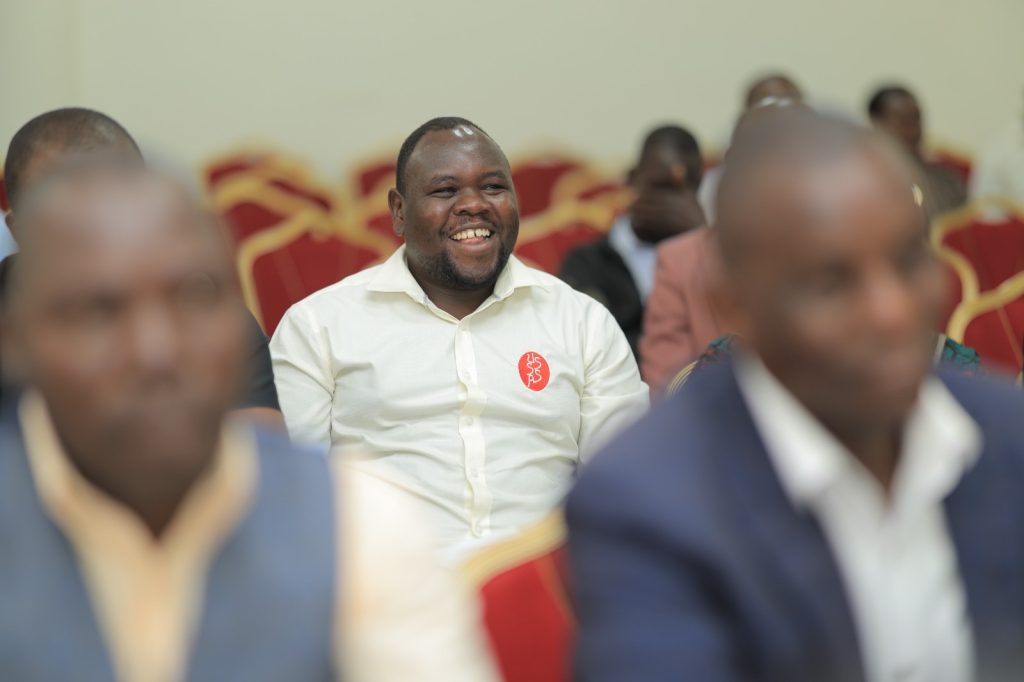
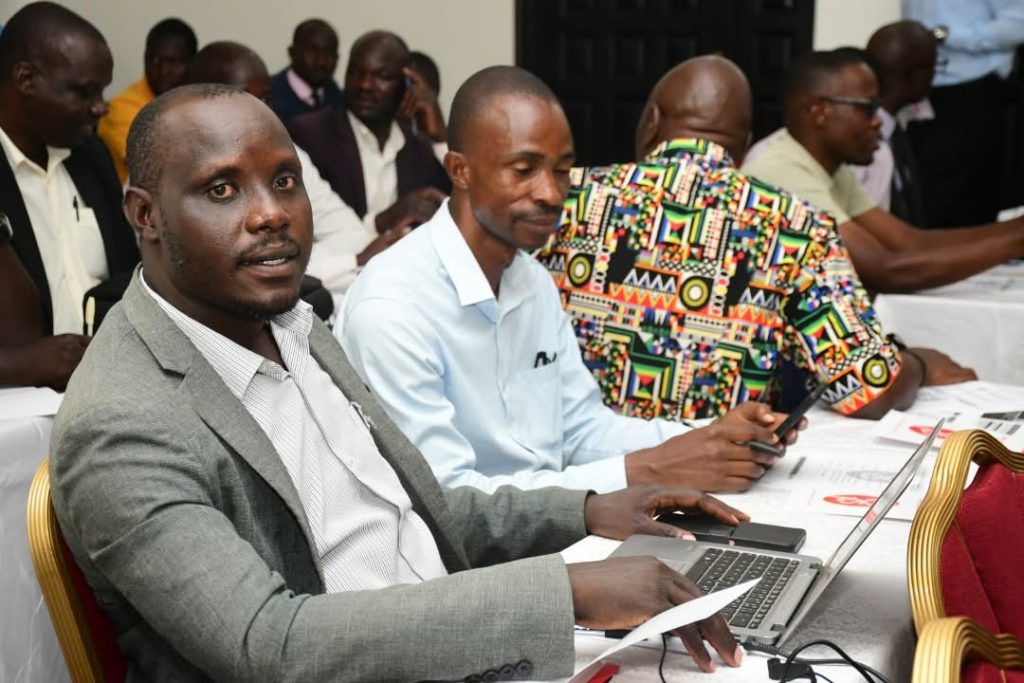
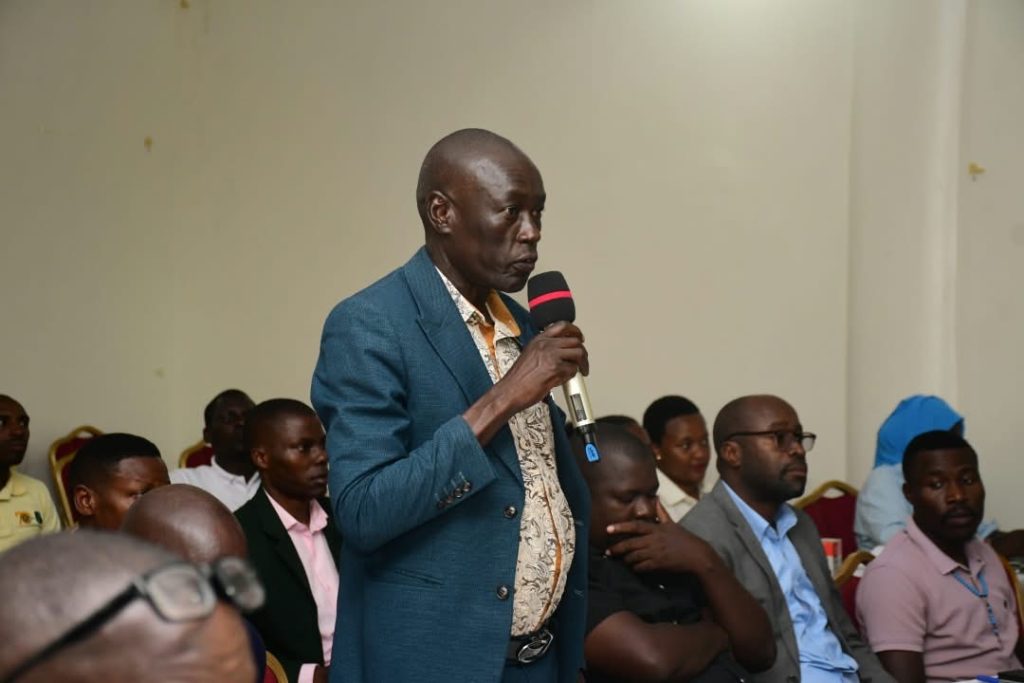
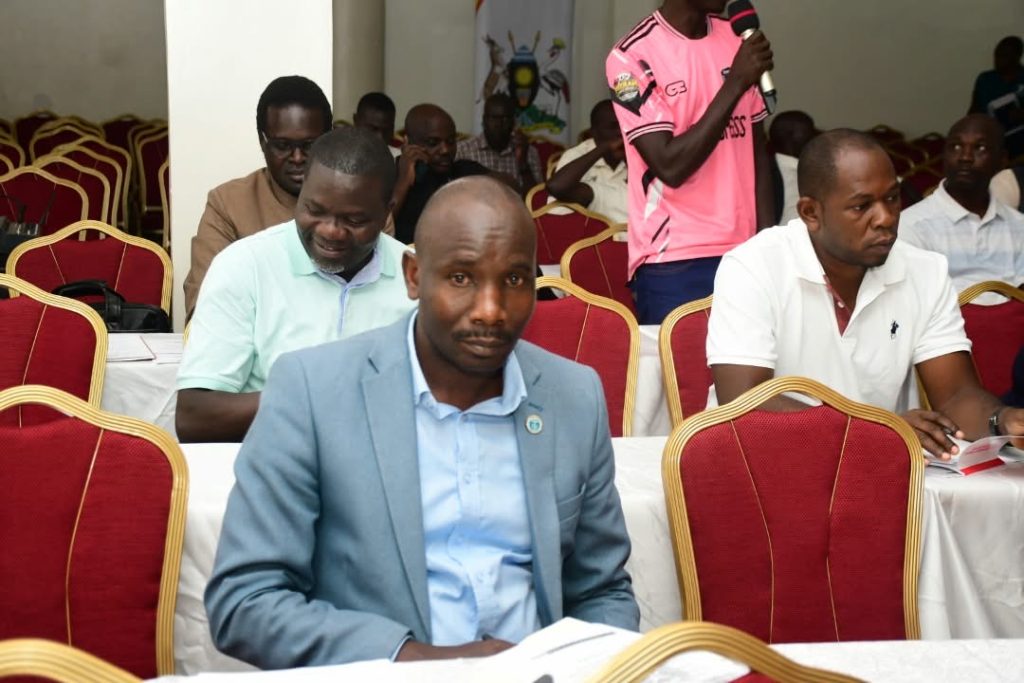
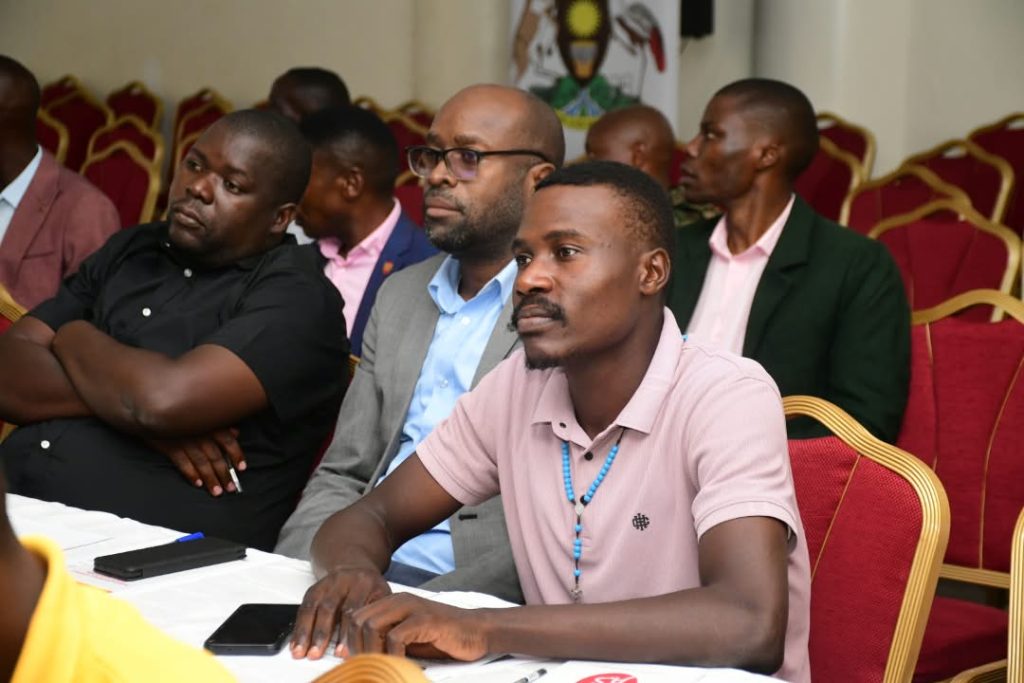
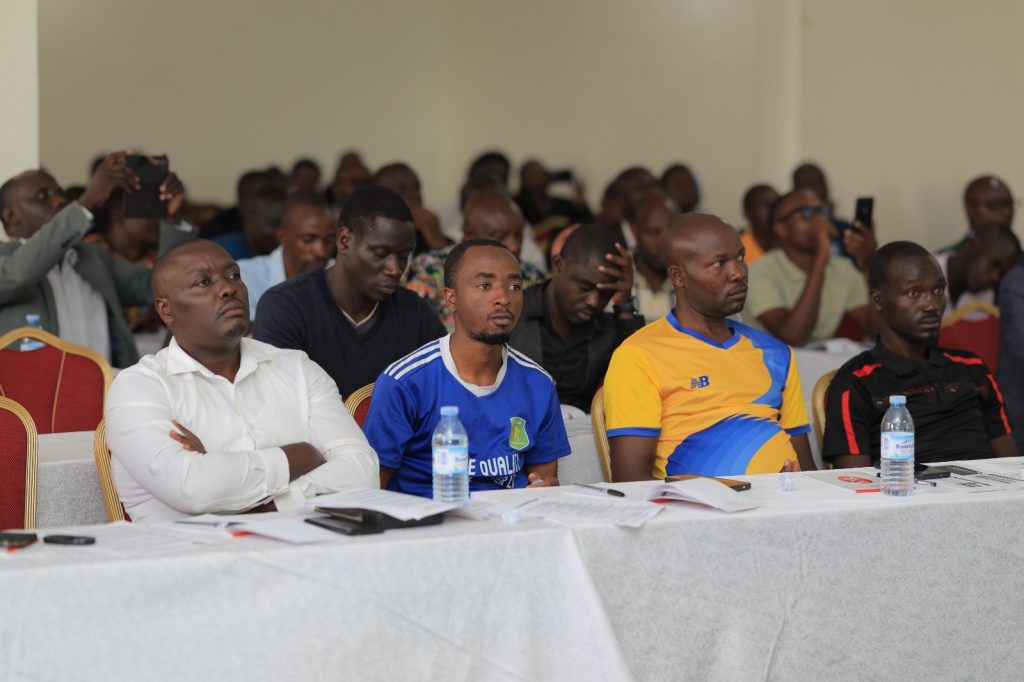
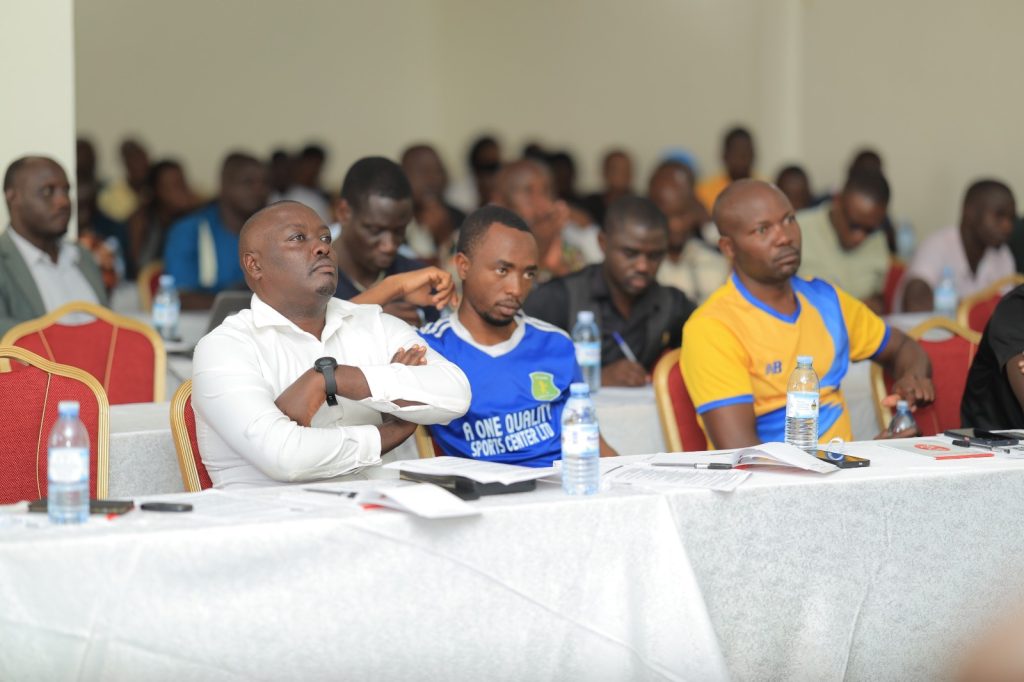
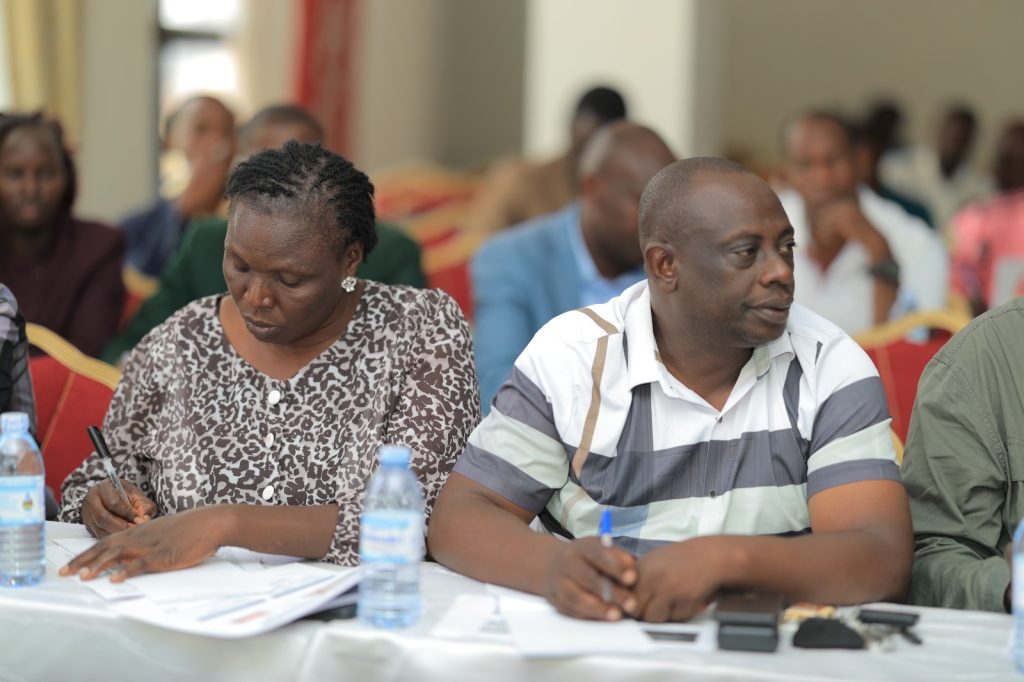
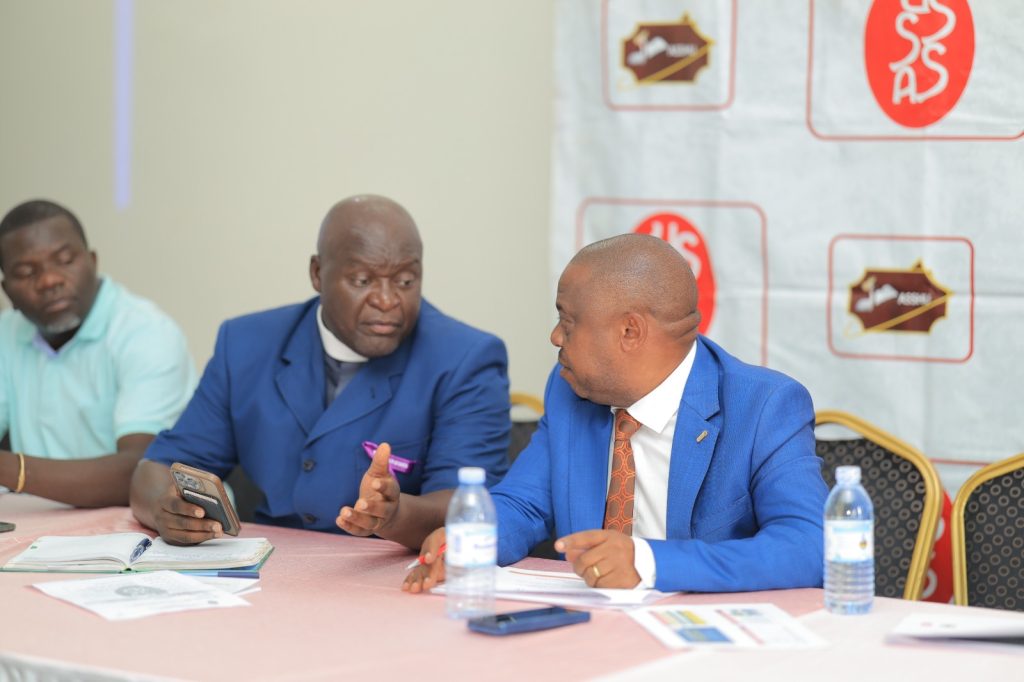
The engagement meeting, held on Tuesday, 25th November 2025, brought together head teachers, deputy head teachers, games teachers, old students (Old Boys and Old Girls), zonal chairpersons and USSSA executive committee members to discuss the proposed introduction and implementation of the new league system.
The programme seeks to transform school sports from occasional tournaments into a structured, student-led six-month league system that develops talent, character and leadership while creating a continuous pathway for talented athletes to progress from schools to district, zonal, regional and national teams, as well as professional clubs.
Ministry Calls for Greater Participation from Traditional Schools
In her opening remarks, Madam Abalo Grace, Senior Education Officer at the Ministry of Education and Sports, explained that the initiative was developed after examining sports development models in other countries.
“In the recent past, we have been looking at zonal, district and national competitions, but after benchmarking from other countries, we came up with this programme,” she said.
Madam Abalo also expressed concern about the limited participation of traditional schools in sports competitions despite their large student populations.
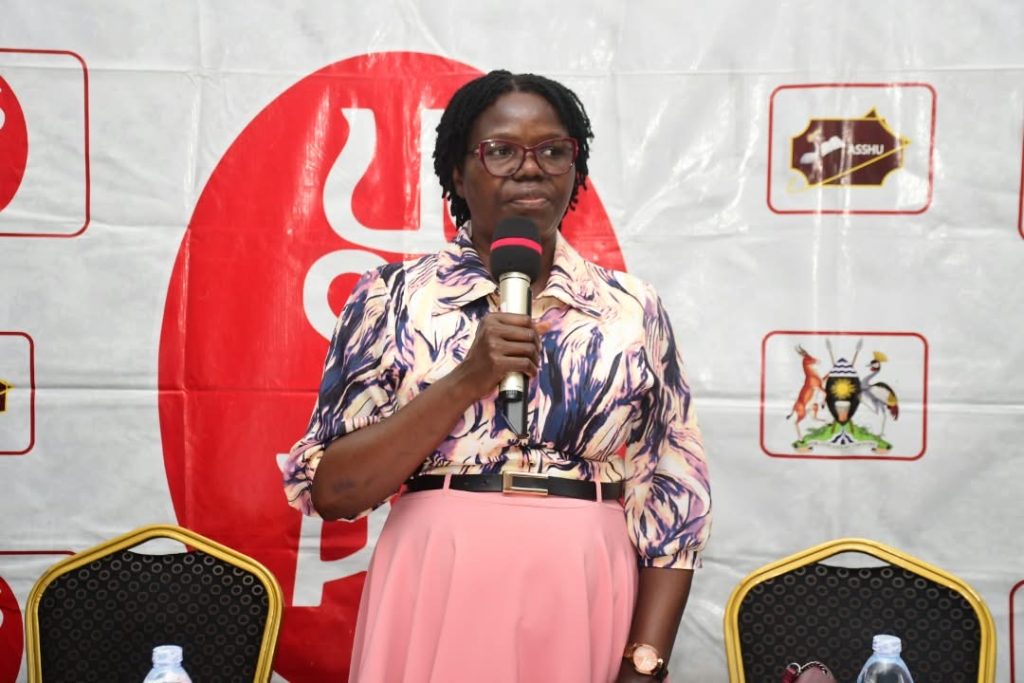
“We have also noticed that our traditional schools are not really showing up when it comes to participating in sports, yet they have the numbers. So feel free to participate in this dialogue so that we come up with solutions,” she added.
She encouraged stakeholders to use the engagement as an opportunity to identify challenges and develop practical solutions that would strengthen participation in school sports.
USSSA President Mugisha Justus described the initiative as a broader intervention aimed at addressing challenges in sports development, not only in traditional schools but across the entire education system.
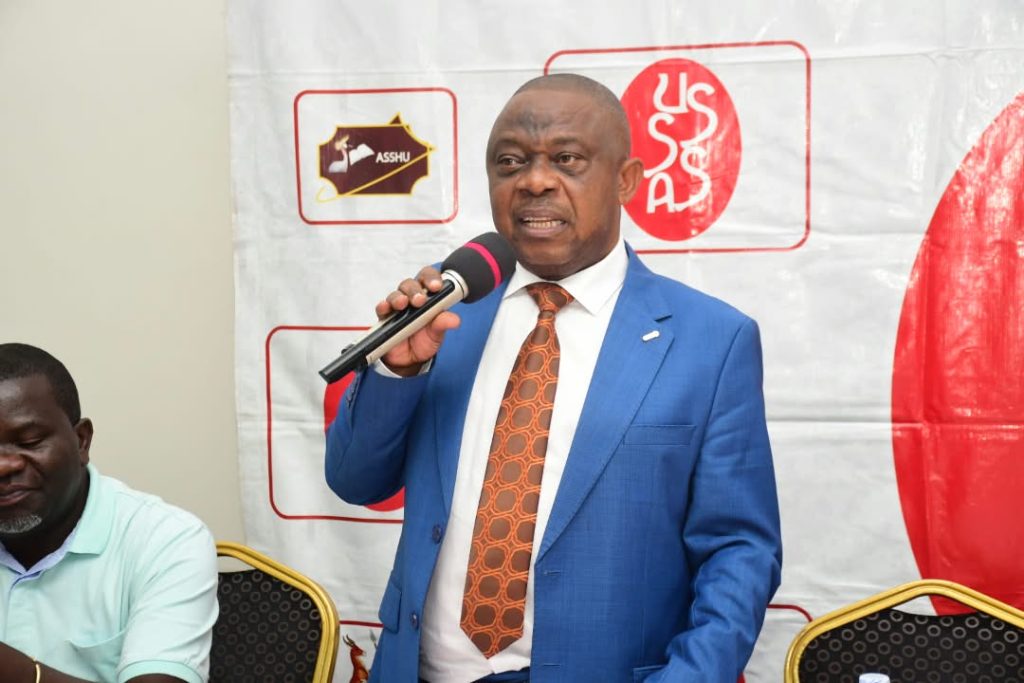
“We are here to solve the problem of sports, not only for you, the traditional schools, but we believe that once it is done well, then everyone will be able to do the right thing all the way from the grassroots,” Mugisha said.
He emphasized that the proposed leagues are student-centred, with learners taking responsibility for different aspects of sports management and administration.
Under the model, students will not only participate as athletes but will also serve as referees, coaches, administrators and other technical personnel. This approach is intended to equip learners with practical skills, leadership experience and a sense of responsibility
Mugisha therefore challenged schools to embrace capacity-building programmes, noting that training is essential in preparing students to effectively manage and officiate the competitions.
He cited Ntare School as an example of a school already embracing the initiative, revealing that it had booked 105 slots for the upcoming capacity-building courses scheduled for December.
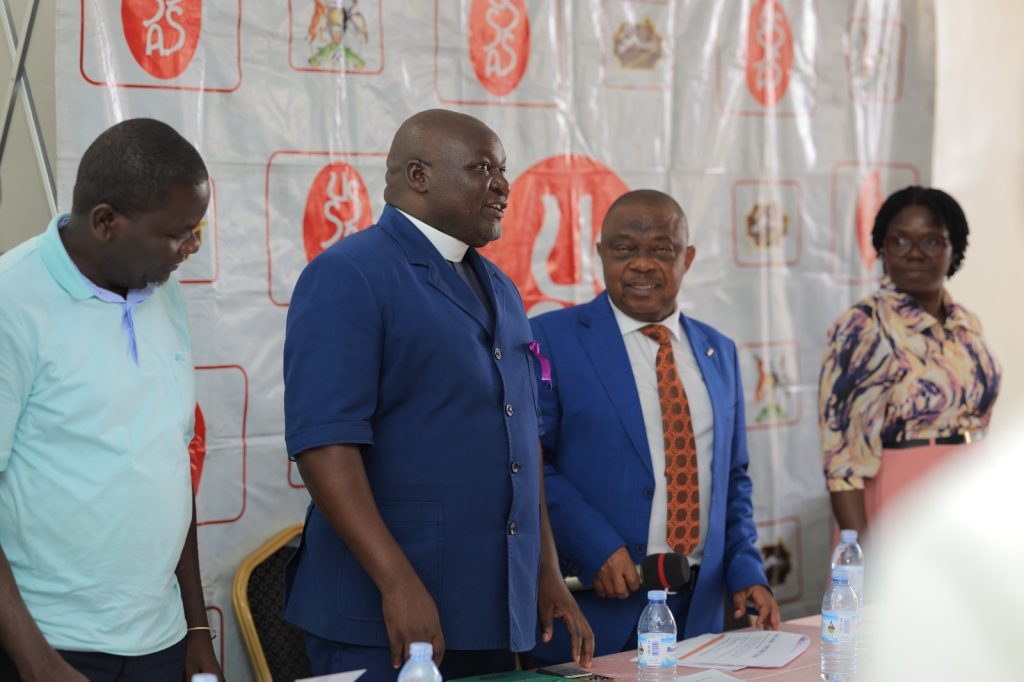
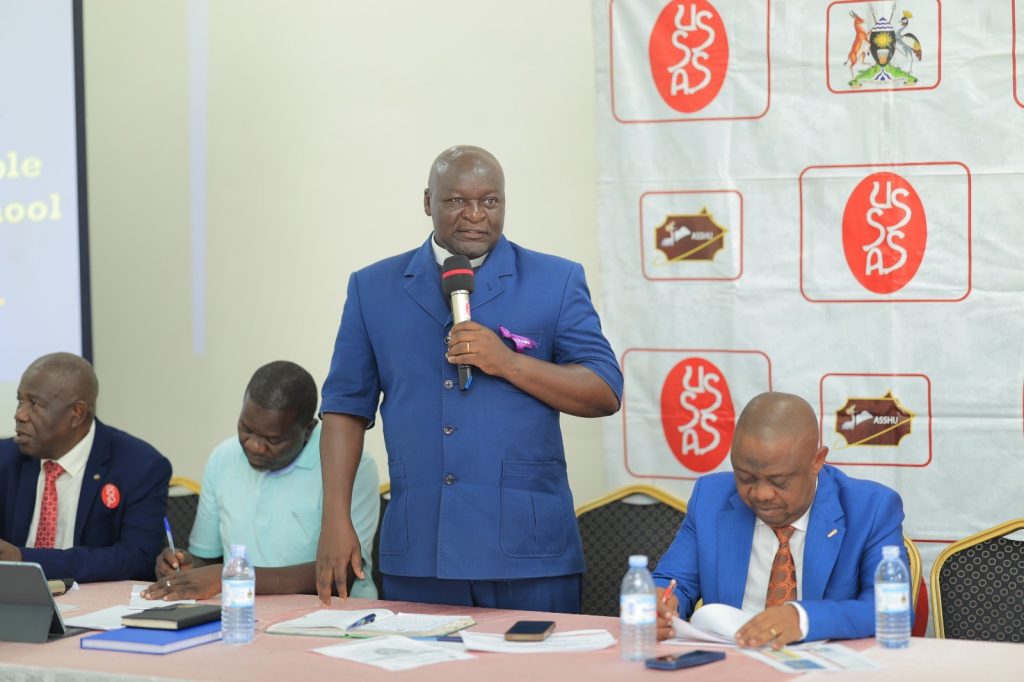
Reverend Dr. Canon Duncans Mugumya, Commissioner for Physical Education and Sports at the Ministry of Education and Sports, described the School and Weekend League model as practical and achievable.
“We have realized that the school leagues are easy and achievable. It’s also important that the schools continue to associate with these particular associations, which could be the Old Students, and also Primary Schools with UPSSA, Secondary Schools with USSSA and Universities with AUSS,” he noted.
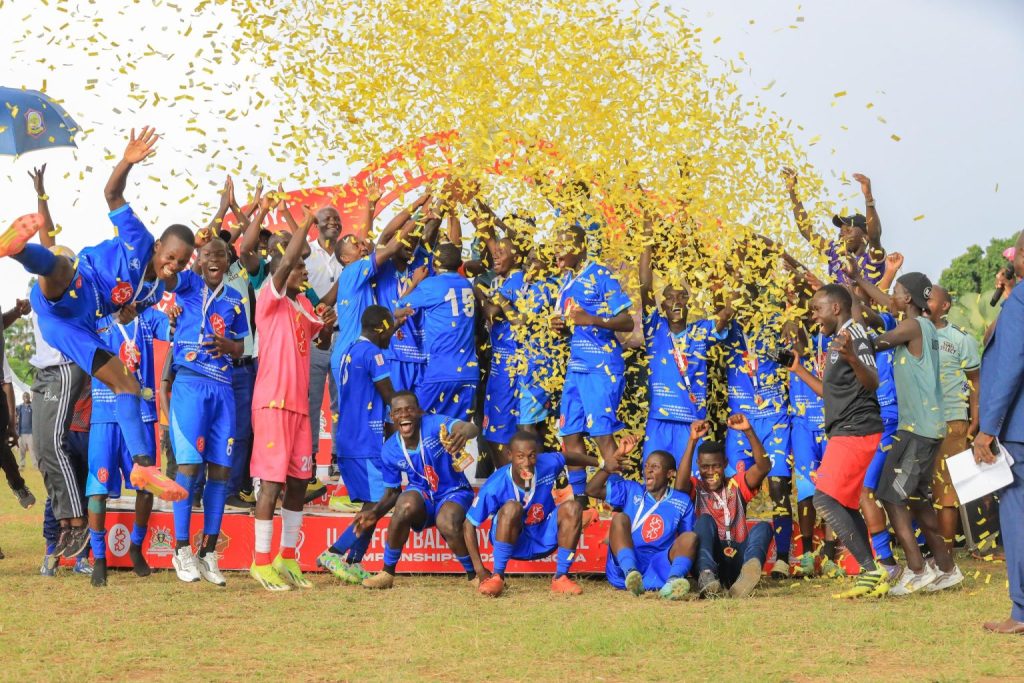
The Commissioner further congratulated schools for their contribution to Uganda’s growing football success, particularly the country’s historic consecutive qualification for the FIFA U-17 World Cup in 2025 and 2026.
He observed that the players representing Uganda at this level emerge from schools actively participating in structured sports programmes.
“These boys are coming from your schools that are active in the USSSA programme,” Rev. Dr. Canon Mugumya said.
Ntare School Shares Its Success Story
Providing practical insights into the implementation of the programme, Edgar Twasiima, Games Teacher at Ntare School, shared how the institution has already embraced the School League model.
According to Twasiima, the school has established a student-led structure comprising referees, administrators and coaches who ensure the smooth running of its league.
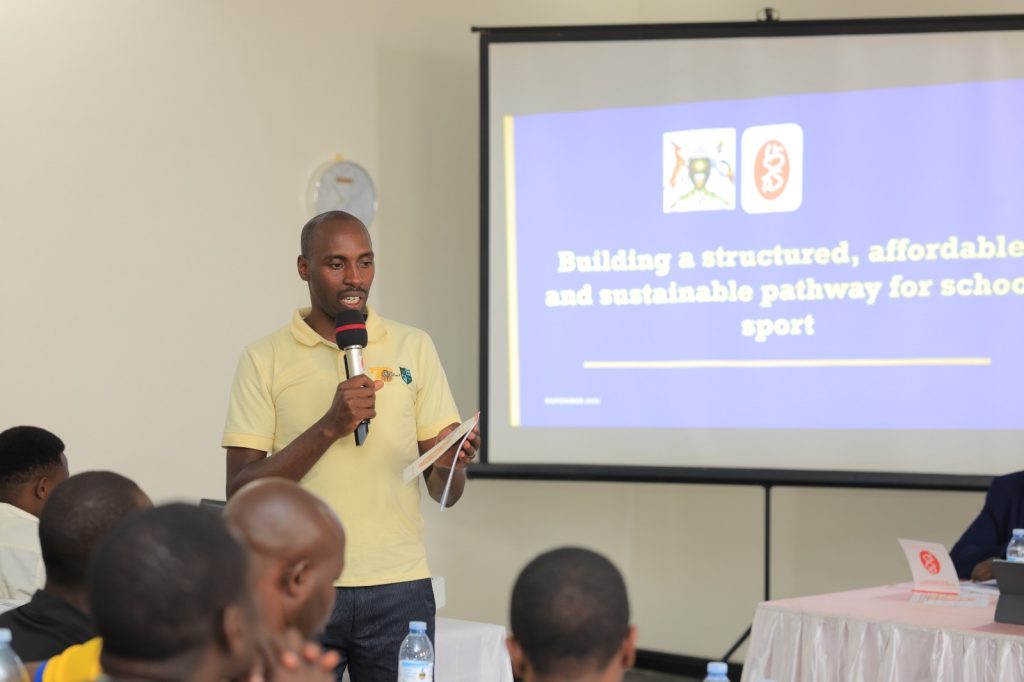
“We have referees, administrators, coaches, who are ensuring the league is running. These people are all students of Ntare School, and we are running the programme right after our classes. That’s how we manage to make time for the games. With the E-score system, we share the scores in real time,” Twasiima explained.
The Ntare model demonstrates how schools can integrate sports into their existing programmes without interfering with classroom learning while giving students opportunities to acquire practical leadership and technical skills.
Why the School and Weekend Leagues?
The proposed programme is anchored on the belief that every learner deserves a regular and affordable opportunity to participate in sports.
Among its key objectives are:
1. Establishing Sustainable School Sports Competitions
Every participating school is expected to establish and sustain a minimum six-month league with regular fixtures, league tables and a structured season calendar, moving away from the traditional one-weekend tournament model.
2. Creating a Clear Talent Development Pathway
The programme will establish a systematic talent identification and progression pathway from School to District, Zonal, Regional and National Teams or Clubs. Scouting, player data and referral systems will support the transition of talented athletes.
3. Promoting Inclusive Participation
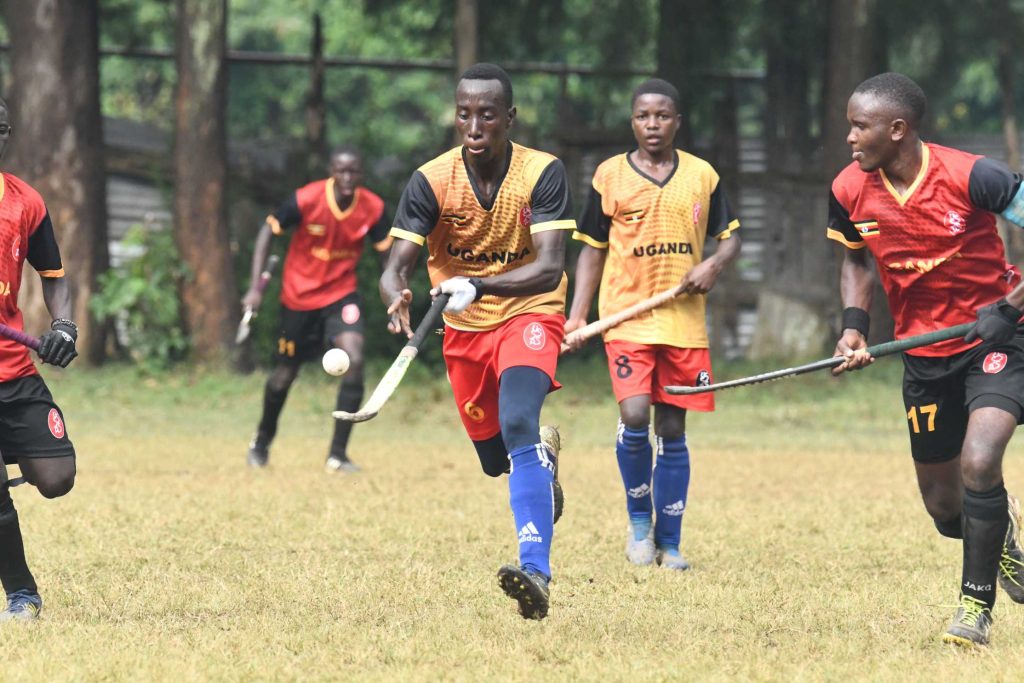
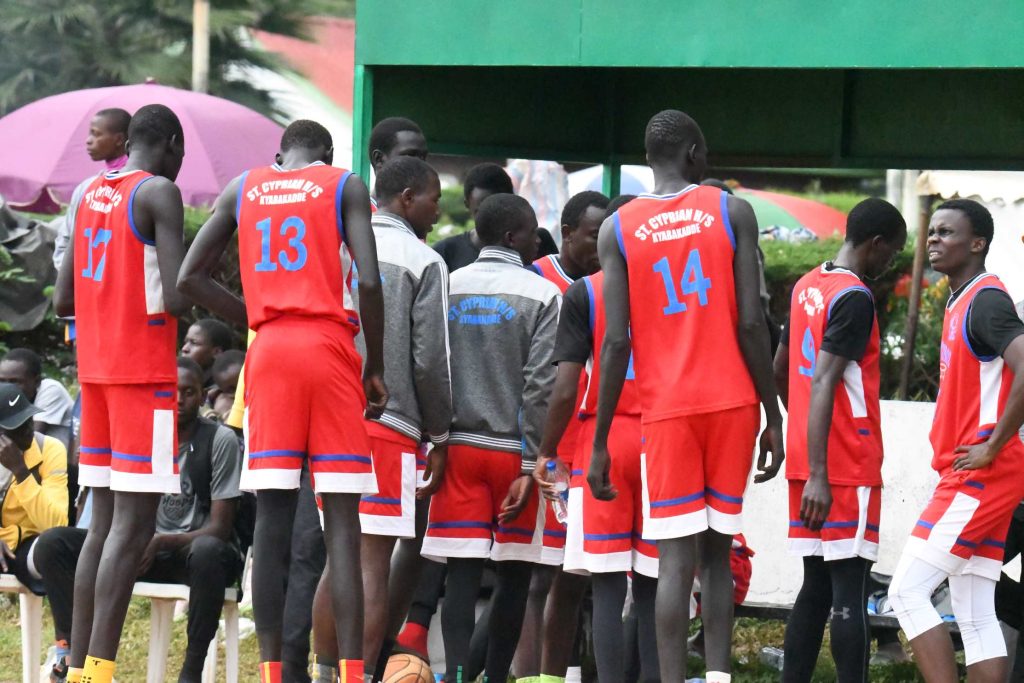
The initiative seeks to ensure that every learner participates in at least one sporting discipline or role. These include football, rugby, basketball, volleyball, netball, handball, athletics, racquet games and mind games.
4. Developing Student Leadership and Life Skills
Students will be empowered to take up responsibilities beyond playing. They will have opportunities to serve as referees, coaches, media personnel, commentators, scorers, photographers, administrators and competition organizers.
This approach is also aligned with the Competence-Based Curriculum, which emphasizes practical learning and the development of relevant life skills.
5. Strengthening Stakeholder Involvement
The programme encourages active involvement of parents, guardians, alumni, Old Boys and Old Girls associations, school management and the wider community.
The Ntare School model was highlighted as an example of how alumni and other stakeholders can contribute to the sustainability and ownership of school sports programmes.
6. Protecting Academic Performance
All league activities will be conducted during co-curricular periods, designated games time and weekends. The framework also provides for a maximum of one match per week per learner to ensure that sports complement rather than compromise academic performance.
7. Promoting Health, Discipline and Character
Regular sporting participation is expected to promote physical fitness, mental well-being, teamwork, discipline, respect, fair play and resilience among learners.
8. Promoting Gender Equality and Safeguarding
The programme will provide equal opportunities for boys and girls across sporting disciplines and leadership positions while enforcing child protection, safeguarding and safety standards.
How the Two Leagues Will Work
The proposed framework consists of two complementary components: the School League and the Weekend League.
The School League
The School League will run from Monday to Friday after classroom lessons. Competitions will take place within individual schools through Inter-House, Inter-Class and Inter-Club competitions.
Every school is expected to establish its own School League, which will provide regular playing opportunities and identify the best teams and players to represent the institution in external competitions.
The Weekend League
The Weekend League will take place on Saturdays and Sundays, bringing together neighboring schools in structured competitions.
Each school will field its best team or teams selected through its internal School League.
Under this arrangement, the School League produces the team, while the Weekend League tests and develops the team through competition against other schools.
Together, the two components will create a continuous sports development system rather than isolated competitions.
Capacity Building and Implementation Roadmap
Stakeholders were informed that capacity building will be a critical foundation for the successful implementation of the programme.
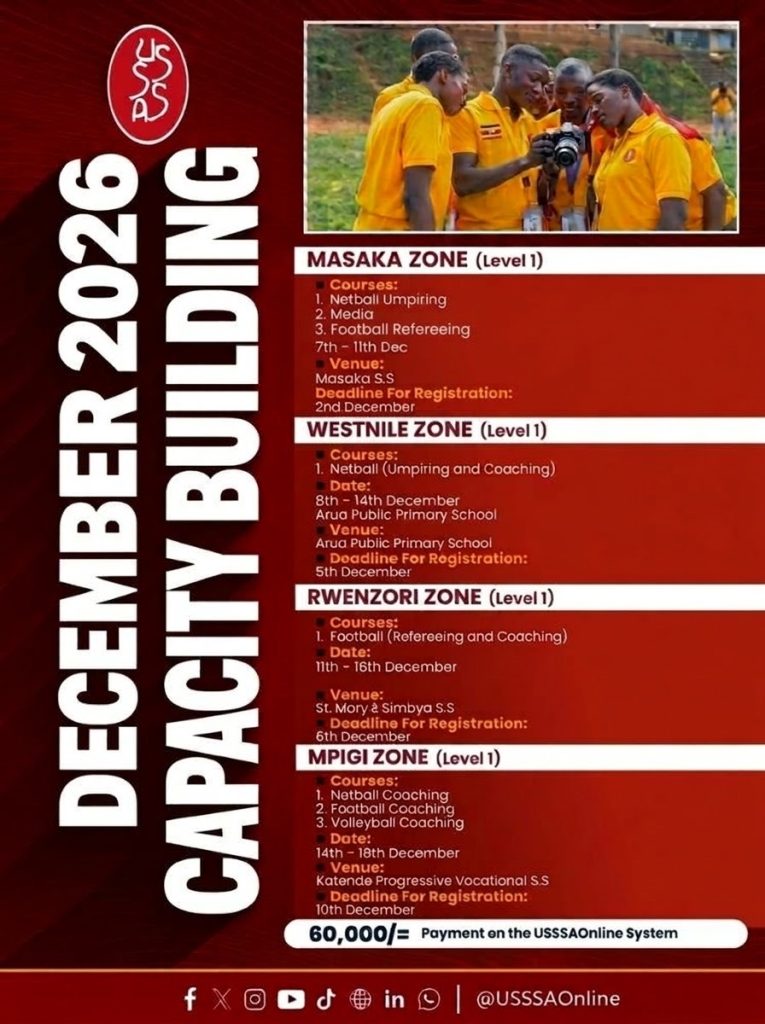
Every school, district and zone will be expected to prioritise training to equip students and other stakeholders with the knowledge and practical skills required to manage and sustain the leagues.
The implementation framework will involve:
* Identification and engagement of key stakeholders, including Boards of Governors (BOGs), PTAs, local governments, Old Students Associations and USSSA structures.
* Capacity-building training, workshops and seminars.
* Development of an agreed implementation roadmap and administrative structures.
* Establishment of rules and regulations governing the competitions.
* Actual implementation of the School and Weekend Leagues.
* Continuous monitoring and evaluation to assess progress and improve delivery.
The intended annual operating season will run from February to November, supported by league registration, learner registration, communication and deliberate reporting mechanisms.
The proposed USSSA School and Weekend Leagues are expected to provide a more organised and sustainable platform for discovering talent, developing student leadership and strengthening the connection between grassroots sports and national team development.
As stakeholders continue to engage on the implementation framework, the message was clear: school sports must move beyond occasional tournaments and become a continuous, inclusive and well-managed part of the education experience.
Every school. Every learner. Every weekend. A stronger foundation for the future of Ugandan sports.