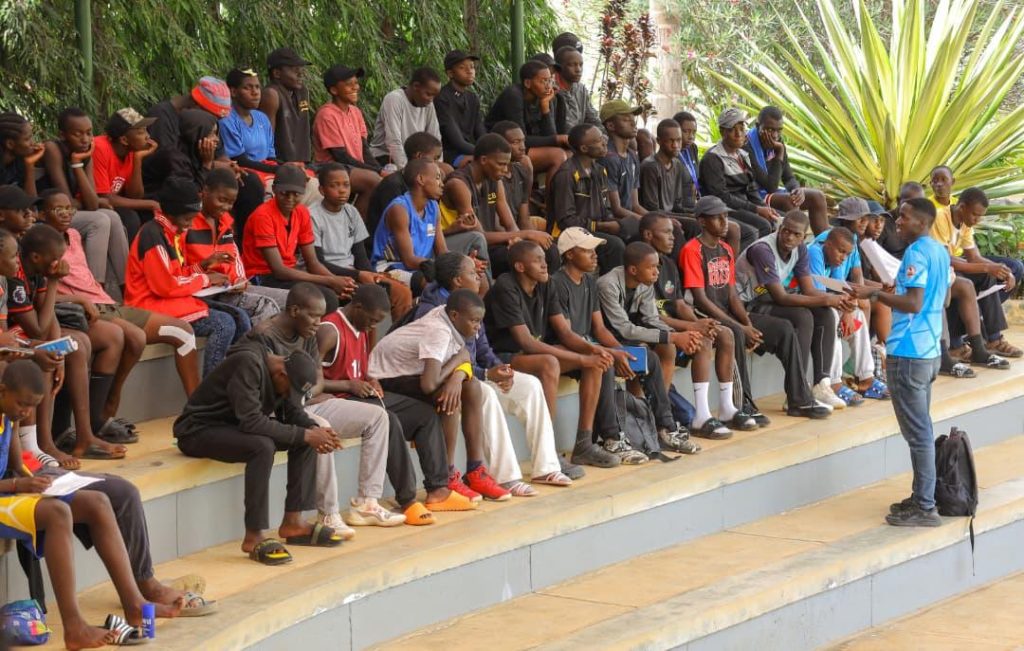
Speaking Up Is a Sign of Strength – Clinical Psychologist Paul Ponsiano Kayanga Urges Student Athletes.
Mental health is increasingly becoming an important conversation in sports, especially among young athletes who often balance the pressures of competition, academics, and personal life.
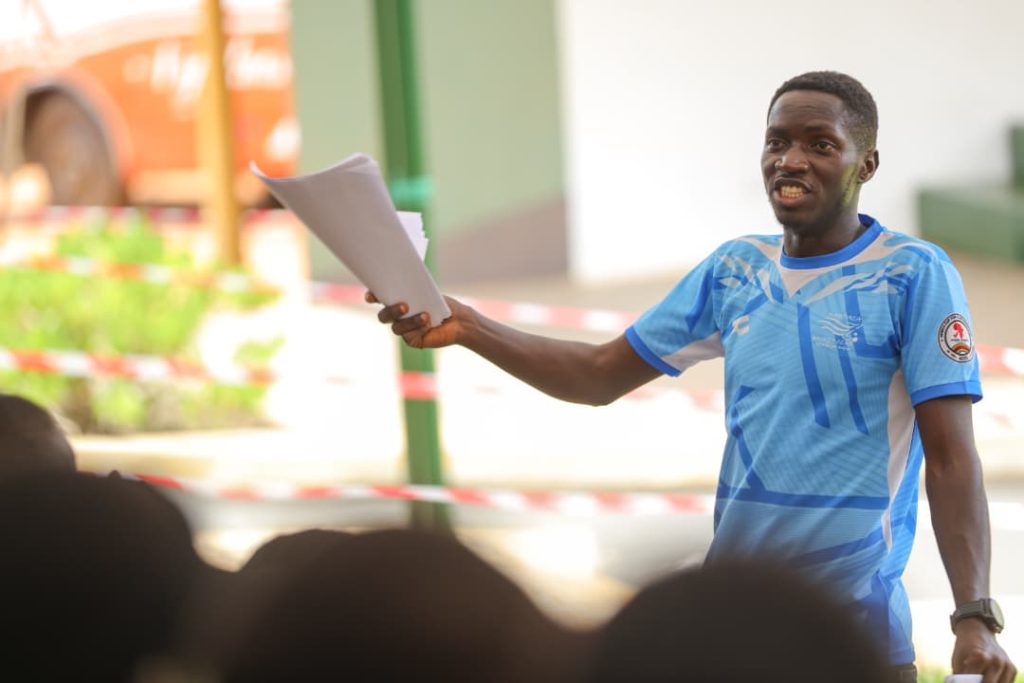
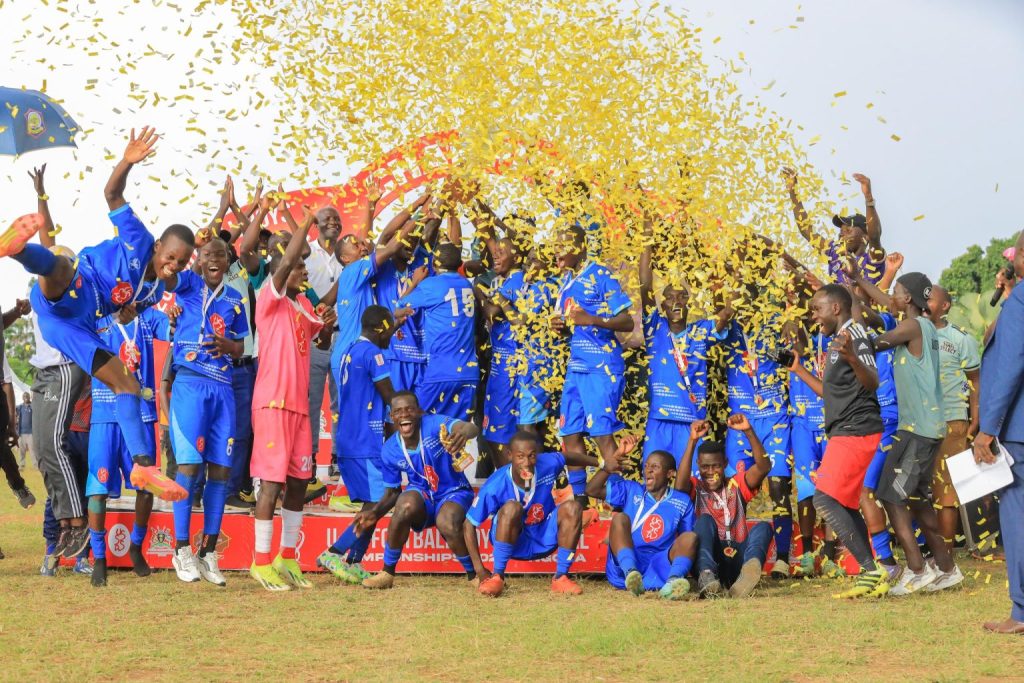
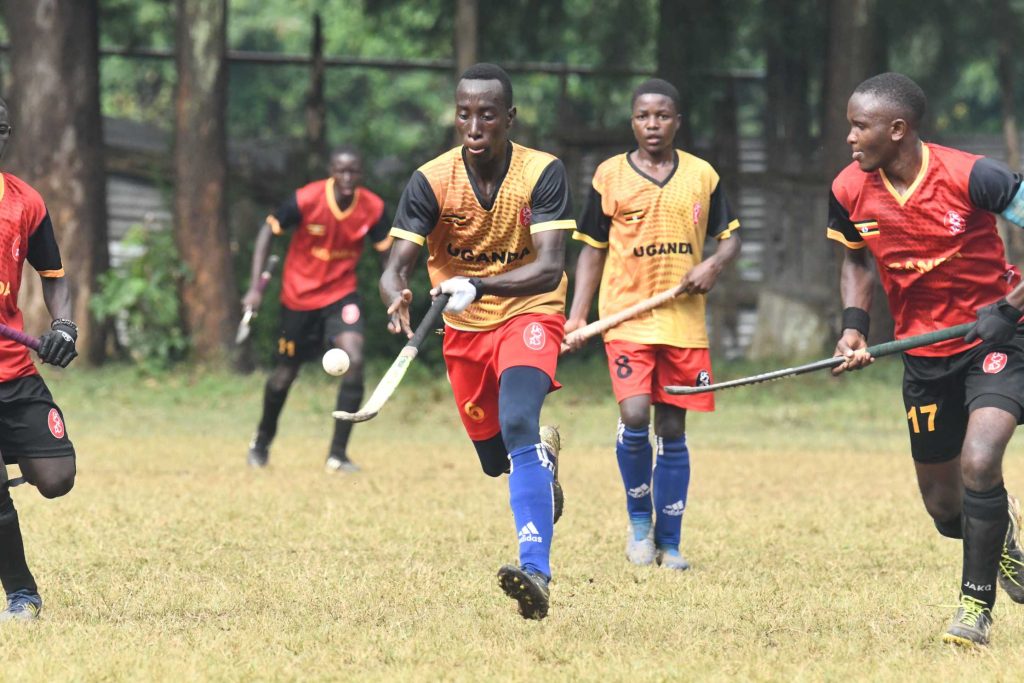
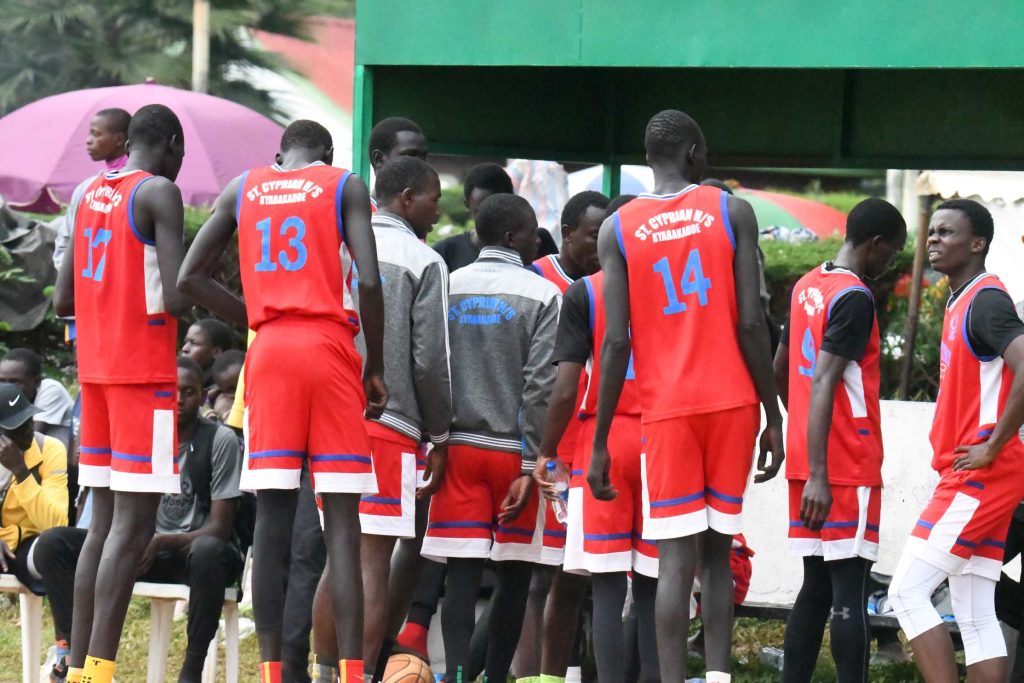
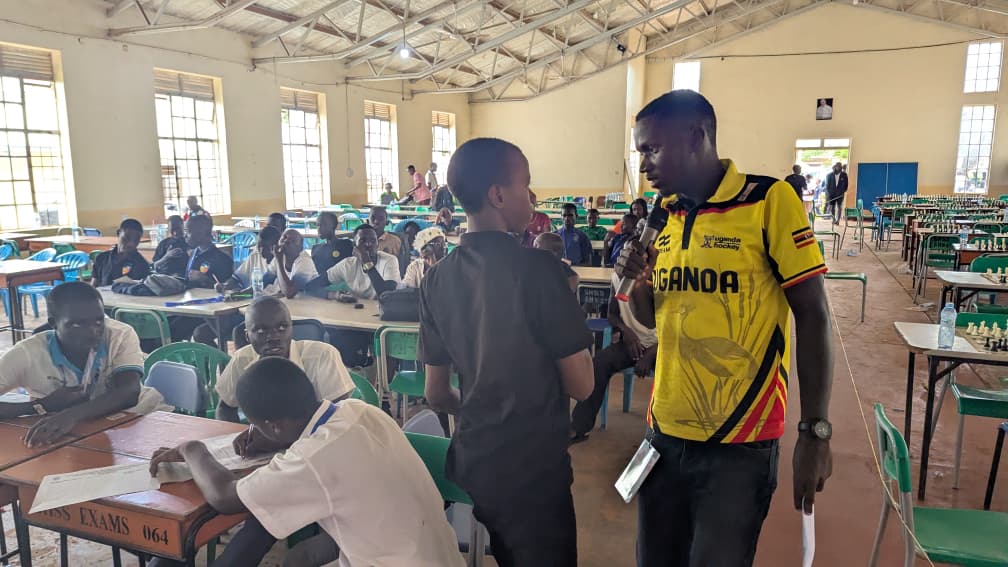
Recognizing this need, Paul Ponsiano Kayanga, a clinical psychologist and hockey player with Kampala Hockey Club, approached the Uganda Secondary Schools Sports Association (USSSA) administration and requested an opportunity to engage athletes during the recently concluded Ball Games II held at Sacred Heart Secondary School in Gulu City.
Kayanga spoke to athletes about mental health awareness, encouraging them to recognize the importance of seeking support when faced with emotional and psychological challenges.
In an interview with Aisha Nakato, Kayanga explained why safeguarding athletes’ mental well-being is just as important as developing their physical abilities.
What inspired you to start this programme?
Kayanga: A lot is happening in the world of sports. People often see sports as a chance to relax or cool off, yet on the pitch or court, athletes face intense competition that demands enormous mental strength. I wanted to support athletes in dealing with the challenges they experience so they can perform at their best and excel.
What were the major topics you discussed during the championship?
Kayanga: My main focus was creating awareness. Athletes need to understand that mental health challenges exist and that no one is immune to them. Regardless of how talented or successful we are in sports; we remain vulnerable to mental health struggles.
How did the athletes respond?
Kayanga: They listened attentively. Many left the sessions reflecting on their own mental well-being and questioning whether they were truly okay. The stigma surrounding mental health was quite evident among some athletes, while others approached me privately after the sessions to share their personal experiences
What are the most common mental health challenges teenage athletes face?
Kayanga: Teenage athletes experience significant stress and anxiety. The pressure comes from many directions—within themselves, from coaches, teammates, schools, and even parents—because they are expected to excel in every aspect of their lives.
What warning signs should parents, coaches and teammates look out for?
Kayanga: One of the biggest warning signs is a loss of interest in activities they once enjoyed. Other visible signs include social withdrawal, anger outbursts, reduced interaction with others, and noticeable changes in behavior.
How can schools and sports clubs create safe spaces for athletes?
Kayanga: Schools need to integrate mental health support into their everyday systems. Coaches and teachers should receive training that equips them with skills to identify and support athletes facing mental health challenges
There should also be a clear referral pathway. For example, an athlete can first speak to their team captain, then a teacher, followed by a counsellor, and eventually, if necessary, be referred to a clinical psychologist.
What has been your biggest takeaway from this programme?
Kayanga: We need to create safe spaces where athletes feel comfortable sharing what they are going through. We also need to increase mental health awareness and train people who can offer first-line support. Many athletes struggle silently because those closest to them may not know how to help.
Your message to athletes?
Kayanga: Athletes should get up and speak up. Speaking up is a sign of strength, not weakness. As the saying goes, “A problem shared is a problem half solved.”
However, it is equally important to share with the right people who will treat your information with confidentiality and ensure you receive the appropriate support.
It is okay to seek help because we all face challenges at different points in life. Every time you ask for help, you are taking a positive step towards becoming a healthier and stronger version of yourself.